Why Do We Experience Knee and Joint Pain?

Knee and joint pain is a common issue affecting millions. According to the American Academy of Orthopaedic Surgeons, approximately 40% of adults experience this condition at some point in their lives. Experts like Dr. Emily Carter, an orthopedic specialist, emphasize that “understanding the causes of knee and joint pain is crucial for effective treatment.”

Many factors contribute to this pain. Injuries, arthritis, and aging can all play significant roles. Sedentary lifestyles can exacerbate these issues. For instance, studies show that individuals who exercise less frequently are at a higher risk for joint problems. Yet, while movement is essential, too much stress can also lead to injury. This creates a challenging balance for those suffering from knee and joint pain.

Addressing knee and joint pain requires a comprehensive approach. It's not just about treating the symptoms. Lifestyle changes, physical therapy, and medical interventions are often necessary. Knowing this, many individuals still struggle to take the first steps toward recovery. The path to relief can be complicated. However, gaining insight into the complexities of knee and joint pain is the first step toward improvement.

Why Do We Experience Knee and Joint Pain?

Understanding the Anatomy of the Knee and Joint Structure

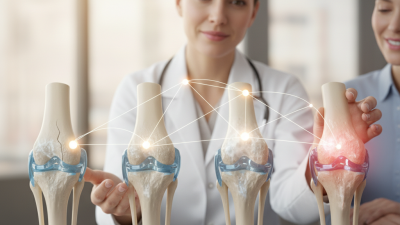
The knee is a complex joint, connecting bones and allowing for movement. It consists of three main parts: the femur, tibia, and patella. Cartilage cushions these bones, providing support and flexibility. Ligaments stabilize the knee, ensuring proper alignment during activities. Understanding this anatomy helps identify pain causes.

Joint pain often arises from wear and tear over time. Inactive lifestyles can contribute to joint issues, as movement is essential for maintaining joint health. Poor posture and improper mechanics during physical activities can also lead to pain. Sometimes, the body’s natural aging process plays a role in joint discomfort.

Knee pain can be a signal of underlying problems. Inflammation may occur due to overuse or injury. It is crucial to listen to your body. Resting and finding relief through gentle stretching can be beneficial. Reflecting on habits, like exercise routines and daily activities, can lead to better management of discomfort. Understanding anatomy is the first step toward addressing pain.
Common Causes of Knee and Joint Pain: An Overview

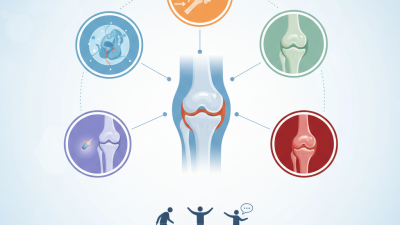
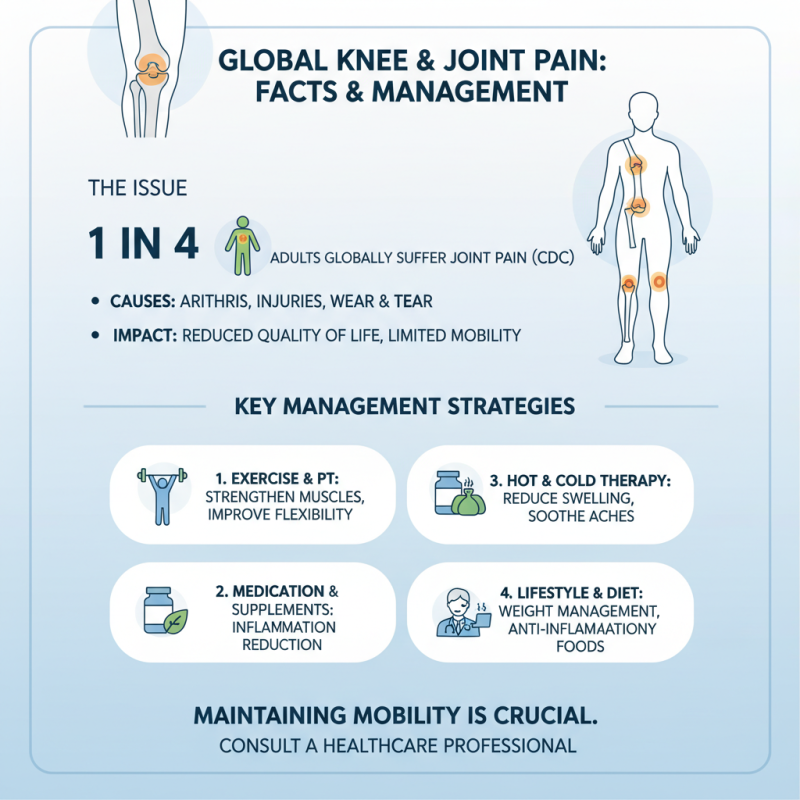
Knee and joint pain affects millions globally. According to the World Health Organization, approximately 1 in 4 adults suffers from this issue. Arthritis is one of the primary culprits. Over 54 million adults in the U.S. experience arthritis-related pain. This condition often leads to inflammation and stiffness, making simple movements challenging.

Another significant factor is age. As we grow older, cartilage wear increases. Studies show that nearly 80% of people over 55 may face joint discomfort. Obesity is also a concern. Carrying excess weight places additional stress on joints. Research indicates that losing just 5–10% of body weight can reduce pain for many individuals.

Injuries also contribute significantly to joint issues. Sports-related injuries and accidents are common. For instance, around 2 million ACL injuries occur in the U.S. each year. These injuries can lead to long-term problems if not managed properly. Understanding these causes is crucial in tackling joint pain effectively.

Types of Joint Pain: Acute vs. Chronic Conditions

Joint pain can be categorized into two main types: acute and chronic. Acute joint pain arises suddenly due to injury, infection, or other immediate causes. This type of pain can be intense but often resolves with time and care. For example, a sprain or a fracture can lead to sudden swelling and tenderness. In many cases, rest and ice can help alleviate symptoms quickly.

Chronic joint pain, on the other hand, develops gradually and persists for months or years. Conditions such as arthritis are common culprits. Unlike acute pain, chronic pain often requires long-term management strategies. It can greatly affect daily activities and overall quality of life. Solutions may include physical therapy or lifestyle changes.

Tips: Regular exercise can strengthen the joints and improve flexibility. You'll feel more agile, even with minor pain. Pay attention to your body. Rest when needed, but don’t stop moving altogether. Also, consider integrating anti-inflammatory foods into your diet for potential relief. Remember, what works for one person might not work for another, so keep trying until you find your path.

Why Do We Experience Knee and Joint Pain? - Types of Joint Pain: Acute vs. Chronic Conditions

Type of Joint Pain Description Causes Duration Common Treatments
Acute Joint Pain Sudden onset pain in a joint Injury, sprain, fracture Days to weeks Rest, ice, pain relievers
Chronic Joint Pain Persistent pain lasting over time Arthritis, tendinitis, bursitis Months to years Physical therapy, medications, injections
Inflammatory Joint Pain Pain caused by inflammation in the joints Autoimmune conditions like Rheumatoid Arthritis Variable Anti-inflammatory drugs, disease-modifying agents
Mechanical Joint Pain Pain caused by mechanical factors affecting joint function Wear and tear (Osteoarthritis), overuse Can be chronic Exercise, lifestyle changes, joint support

Diagnosis and Assessment of Knee and Joint Pain

Knee and joint pain can stem from various causes. To properly diagnose it, doctors often begin with a thorough patient history. They ask questions about the onset of pain, specific movements that cause discomfort, and any recent injuries. This step is crucial. It provides context and helps shape the diagnostic process.

Physical examinations follow. Doctors check for swelling, tenderness, and range of motion. Imaging tests, like X-rays or MRIs, may be necessary to visualize the joint structures. These images reveal underlying issues such as arthritis or torn ligaments. However, not all conditions show up clearly on scans, leaving room for interpretation.

Identifying joint pain can be challenging. Pain perception varies from person to person. What feels mild to one could be debilitating to another. It’s essential for patients to articulate their experience accurately. Maintaining an open dialogue with healthcare professionals can lead to more effective treatment plans. Understanding the symptoms and their implications is a part of the healing journey.

Frequency of Knee and Joint Pain Causes

Effective Treatment Options and Pain Management Strategies

Why Do We Experience Knee and Joint Pain?

Knee and joint pain affects millions of people worldwide. It can stem from various causes, including arthritis and injuries. Understanding how to manage this pain is crucial for maintaining quality of life. According to a report by the CDC, nearly 25% of adults in the U.S. suffer from joint pain, emphasizing the need for effective treatment strategies.

Treatment options range from physical therapy to medications. Physical therapy can help improve joint function. Exercises aim to strengthen the muscles around the joints. Studies show that around 70% of patients benefit from tailored exercise programs. Over-the-counter pain relievers provide temporary relief and can be effective for mild pain. In more severe cases, prescription medications may be necessary.

Pain management strategies also include lifestyle changes. Weight loss can significantly reduce stress on the knees. According to research, losing just 10 pounds can decrease knee pain by nearly 50%. Some people turn to alternative therapies like acupuncture. However, results may vary. Finding the right combination may take time.

DISCOVER THE POTENTIAL OF INNOVATIVE PROSTHETICS

From minor to severe injuries, our team develops advanced devices designed to support recovery and promote overall wellness.

Contact Us