
10 Essential Tips for Managing Bad Knee Pain and Staying Active
Knee pain is a widespread issue, affecting millions of people worldwide. According to the American Academy of Orthopaedic Surgeons, approximately 25% of adults experience chronic knee pain. A "bad knee" can significantly impact mobility and overall quality of life. Dr. Emily Carter, an orthopedic specialist, emphasizes that "understanding how to manage knee pain is crucial for maintaining an active lifestyle."
Many individuals struggle with basic daily activities due to knee discomfort. This could lead to a sedentary lifestyle, which has its own risks. The gap between wanting to stay active and facing bad knee pain can feel daunting. Finding effective strategies for relief and engagement is essential.
Exploring practical tips can empower those with bad knees to reclaim their lives. Patients often express feelings of frustration and helplessness. Implementing small changes can result in significant benefits. It's about persistence and gradual improvement, not perfection. Understanding one’s body and working through discomfort can open doors to a more fulfilling life.
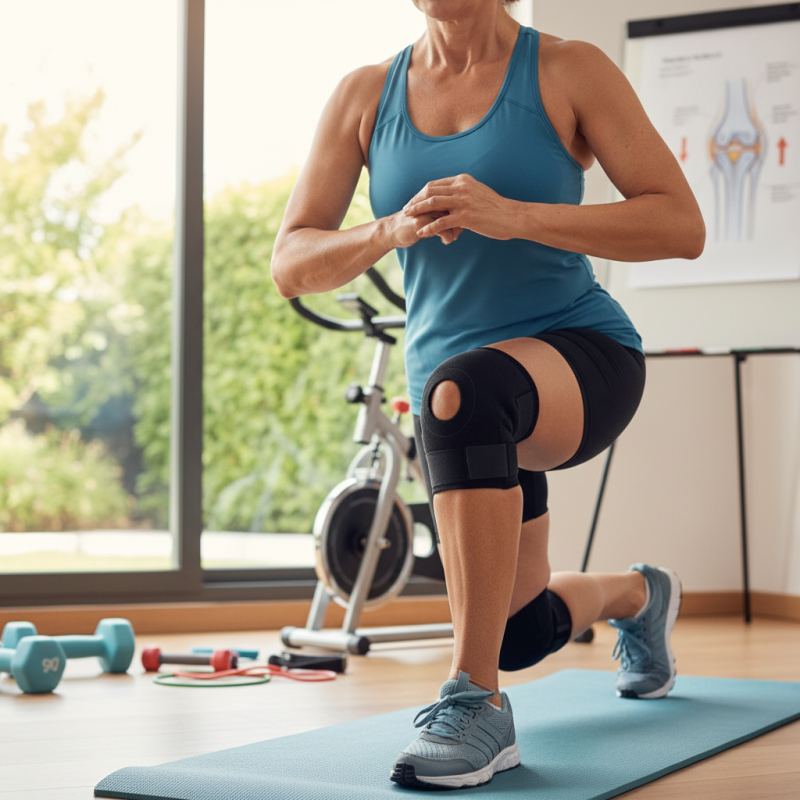
Understanding the Causes of Knee Pain and Its Impact on Activity
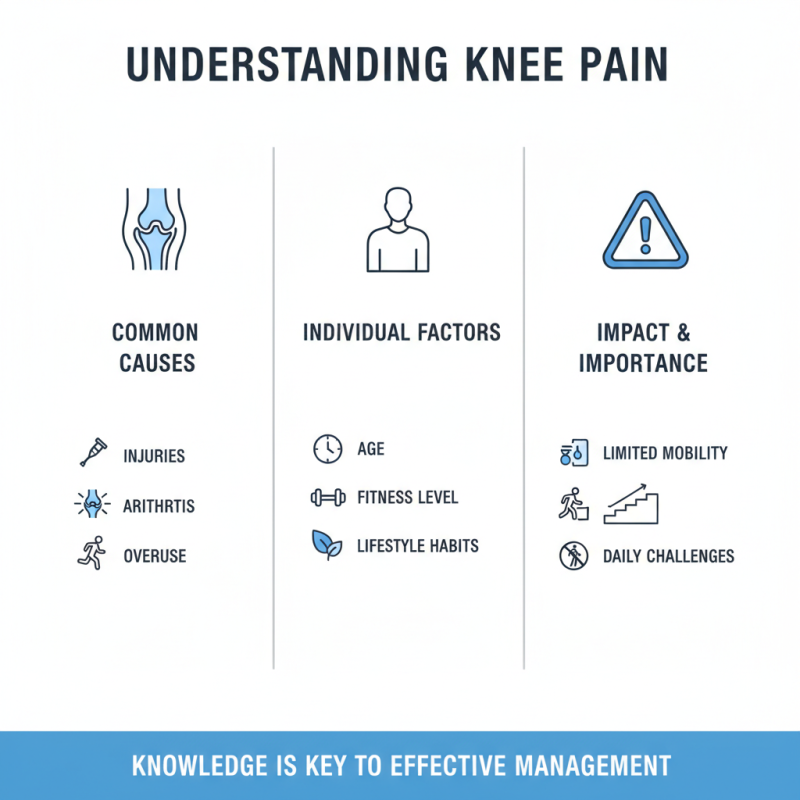
Knee pain can stem from various causes, such as injuries, arthritis, or overuse. Each individual's experience is unique, often influenced by age, fitness level, and lifestyle habits. Understanding these underlying issues is crucial for addressing pain effectively. Pain in the knee can limit mobility, making everyday activities challenging. A morning walk or climbing stairs may become daunting tasks.
The impact of knee pain on activity should not be underestimated. It can lead to frustration and a decrease in overall physical fitness. Many struggle to find motivation, fearing further injury. This can create a cycle of inactivity and discomfort. Simple tasks can seem overwhelming. Recognizing the need to adjust routines is essential. Incorporating gentle exercises might help, but it requires patience and determination.
Listening to your body while managing your pain is crucial. Modifications in daily activities can make a significant difference. Engage in low-impact activities like swimming or cycling, which are easier on the knees. Staying active, despite discomfort, requires balance and a thoughtful approach to movement. Pain may not vanish completely, but understanding its causes can empower you to navigate your journey better.
Identifying Exercises That Strengthen Knee Support Muscles
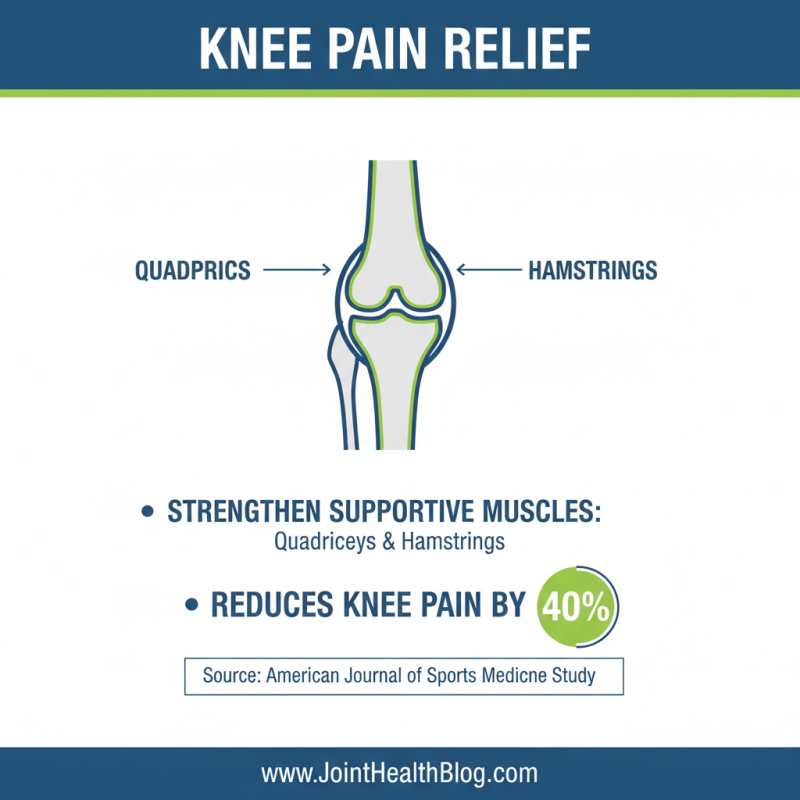
Knee pain often limits physical activity. Understanding exercises that strengthen supportive muscles can help. The quadriceps and hamstrings are crucial. A study from the American Journal of Sports Medicine shows that strengthening these muscles reduces knee pain by 40%.
Incorporating exercises like leg lifts, squats, and hamstring curls can make a difference. Leg lifts target the quadriceps, while squats engage multiple muscles around the knee. Performing these with correct form is vital. Research indicates that improper form can cause more harm than good. It's also essential to listen to your body. Pain during an exercise? That’s a signal to stop.
Many people neglect the importance of flexibility. Stretching the muscles surrounding the knee enhances mobility. Studies suggest that flexibility training combined with strength exercises can boost function and reduce pain. However, consistency is key. It's not easy to stay committed. Make a schedule and stick to it, but don't be too hard on yourself if you miss a session.
Implementing Effective Pain Management Techniques for Daily Activities
Managing bad knee pain while staying active can feel like a challenge. Pain management techniques can make daily activities more manageable. A few effective strategies can help ease discomfort and improve mobility.
One approach is to apply heat or cold. A warm towel or ice pack can relieve knee pain. Try to alternate between heat and cold. Listening to your body is crucial. Not every method works for everyone. You may need to experiment to find what helps you.
Gentle stretching and strengthening exercises can also be beneficial. Simple stretches can improve flexibility. Try leg raises or wall sits. Don’t push too hard. Pain is a signal to stop. Consider activities like swimming or cycling instead of running. They are easier on the knees. Staying active can be tricky, but it’s essential.
Managing Bad Knee Pain: Pain Management Techniques and Activity Levels
Adopting Modifications in Routine to Reduce Knee Strain
Managing knee pain requires intentional adjustments to daily routines. Simple changes can make a significant difference. For instance, swapping high-impact exercises for swimming or cycling can reduce strain. These activities allow for movement with less pressure on the knees. Choosing gentler exercises helps to maintain fitness without exacerbating pain.
Incorporating more breaks throughout the day is essential. If you're seated for long periods, take short walks to stretch. Use a foam roller to ease tight muscles. Standing or using a chair for support during stretches can provide stability.
Also, consider your footwear. Shoes with proper arch support protect your knees from unnecessary stress. It’s crucial to listen to your body. If something feels painful, don’t push through it. Reflect on what positions or activities trigger discomfort, and minimize them in your routine. Adjustments may take time, but they are key to staying active and reducing strain.
Incorporating Low-Impact Activities to Maintain an Active Lifestyle
Managing knee pain can be challenging. Staying active is essential for overall health. Low-impact activities are a great way to achieve this. Studies suggest that just 150 minutes of moderate activity per week can significantly improve joint function and reduce pain. Walking, swimming, and cycling are ideal choices. They engage muscles without adding stress to the knees.
Incorporating these activities can be a game changer. For example, swimming offers buoyancy, reducing pressure. A report from the Arthritis Foundation indicates that 70% of participants who swim regularly reported less discomfort. However, it's easy to underestimate the importance of consistency. Many people set unrealistic goals and end up frustrated. It’s better to start modestly and gradually increase intensity. Listen to your body. If a specific activity causes pain, it may need to be avoided or modified.
Remember, staying within your limits is crucial. Low-impact doesn’t mean no impact. Engaging in strength exercises tailored for knee support is important too. Research shows that building muscle around the knee helps in reducing pain. Yet, many overlook this aspect. Finding the right balance can improve your quality of life. Stay active, but be mindful of your needs.
10 Essential Tips for Managing Bad Knee Pain and Staying Active
| Tip | Description | Low-Impact Activities | Frequency |
|---|---|---|---|
| Maintain a Healthy Weight | Reducing weight helps lessen pressure on knees. | Walking, Swimming | 5 times a week |
| Strengthen Muscles | Focus on exercises that strengthen leg muscles. | Resistance Training, Cycling | 3 times a week |
| Stretch Regularly | Incorporate stretching to improve flexibility. | Yoga, Pilates | Daily |
| Use Proper Footwear | Choose shoes that provide good support and cushioning. | Walking, Light Hiking | As needed |
| Cold and Heat Therapy | Use ice packs or heating pads to relieve pain. | N/A | As needed |
| Listen to Your Body | Rest when needed; don’t overexert your knees. | Gentle Walking | Daily |
| Consider Physical Therapy | A professional can tailor a program to your needs. | Customized Exercises | As recommended |
| Stay Hydrated | Drink plenty of water to keep joints lubricated. | N/A | Daily |
| Consult with a Doctor | Regular check-ups to monitor knee health. | N/A | As recommended |
Related Posts
-
2026 Top Insights on Mild Osteoarthritis Management Trends?
-
Top 5 Best Osteoarthritis Knee Surgery Options for Effective Relief?
-
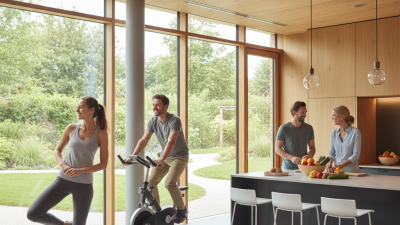
How to Prevent Osteoarthritis Naturally and Effectively?
-
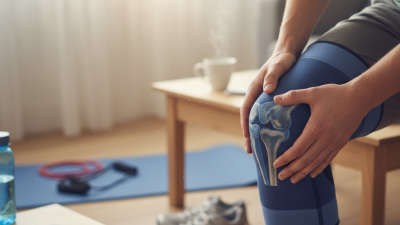
Why Do We Experience Knee and Joint Pain?
-
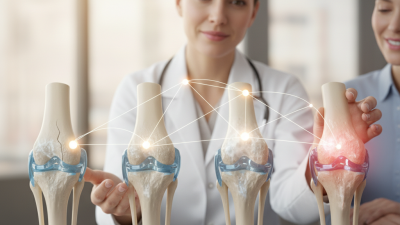
Why Understanding Osteoarthritis Stages is Essential for Effective Management?
DISCOVER THE POTENTIAL OF INNOVATIVE PROSTHETICS
From minor to severe injuries, our team develops advanced devices designed to support recovery and promote overall wellness.