10 Essential Tips for Knee Replacement Due to Osteoarthritis?
Knee replacement due to osteoarthritis is a significant decision for many individuals. This procedure can dramatically improve mobility and reduce pain. However, patients should be well-informed before making this choice.
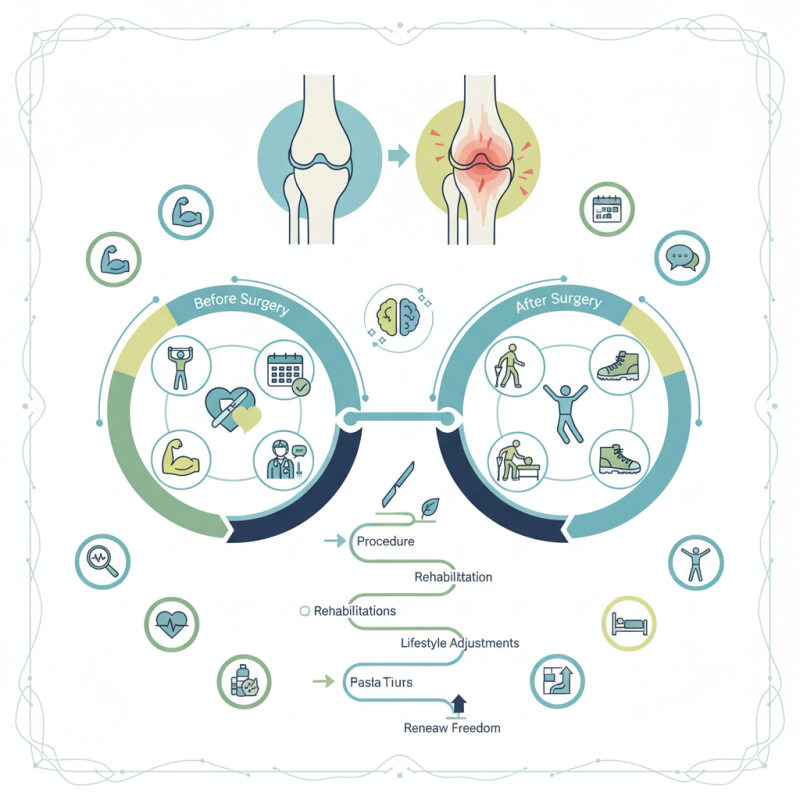
Understanding the journey ahead is crucial. Preparing for knee replacement surgery involves physical and emotional readiness. Knowledge about post-surgery recovery can alleviate anxiety and build confidence. The process is not just about the surgery; it's also about the commitment to rehabilitation and lifestyle adjustments.
Patients often overlook the importance of pre-operative preparations. Engaging in exercises designed to strengthen the muscles supporting the knee is vital. Additionally, discussing concerns with healthcare providers can lead to more personalized care. This preparation plays a crucial role in achieving successful outcomes. The journey can be challenging, but with proper guidance, many find renewed freedom in movement.
Understanding Osteoarthritis and Its Impact on the Knees
Osteoarthritis significantly affects the knees, leading to pain and reduced mobility. This degenerative disease often results from years of wear and tear. As cartilage breaks down, bones may rub together, causing inflammation. Patients commonly report stiffness, swelling, and difficulty in performing simple tasks like climbing stairs.
Understanding this condition is crucial for effective management. Early diagnosis can lead to better treatment options. Doctors may recommend lifestyle changes or physical therapy. Weight management is essential, as extra weight adds strain on the knees. Alongside these methods, pain relief strategies should be considered, from medication to alternative therapies. The journey with osteoarthritis can be challenging. It often requires adjustments in daily routines and activities.
In advanced cases, knee replacement might be necessary. However, this decision should not be taken lightly. Patients often experience mixed feelings about surgery. Preparing mentally and physically is key. Engaging in discussions with healthcare professionals can provide clarity. Also, support systems, whether family or friends, can make a significant difference. Embracing this journey with informed choices leads to better outcomes.
10 Essential Tips for Knee Replacement Due to Osteoarthritis
| Tip Number | Tip | Description |
|---|---|---|
| 1 | Consult a Specialist | Seek a qualified orthopedic surgeon with experience in knee replacements. |
| 2 | Understand the Procedure | Educate yourself about the knee replacement process, including risks and benefits. |
| 3 | Manage Expectations | Recognize that recovery takes time and final outcomes may vary. |
| 4 | Preoperative Preparation | Follow preoperative instructions for optimal surgical outcomes. |
| 5 | Physical Therapy | Engage in physical therapy before and after surgery to aid recovery. |
| 6 | Healthy Lifestyle | Maintain a healthy weight and diet to support healing post-surgery. |
| 7 | Follow Medication Guidelines | Adhere to prescribed medications for pain management and inflammation. |
| 8 | Hydration | Stay hydrated to promote overall health and recovery. |
| 9 | Support System | Build a support system with family and friends for emotional and physical help. |
| 10 | Follow Up Care | Attend all scheduled follow-up appointments for monitoring your recovery. |
Signs and Symptoms Indicating the Need for Knee Replacement
Osteoarthritis is a common cause of knee pain. If you experience persistent discomfort, it might be time to consider knee replacement. Studies show that approximately 50% of individuals with knee osteoarthritis notice significant joint pain during daily activities like walking or climbing stairs. The severity of this pain can impact overall quality of life.
Common signs indicating the need for a knee replacement include limited range of motion, joint swelling, and persistent stiffness. Research indicates that about 70% of patients report improved functionality post-surgery. However, not all candidates will experience perfect outcomes. Some report ongoing discomfort or complications. Understanding these nuances is crucial for informed decision-making.
Other symptoms include grinding or popping sounds in your knee. If these symptoms evolve, they may signify joint deterioration. Patients should consult with orthopedic specialists for a comprehensive assessment. A thorough evaluation, based on expertise and imaging, is essential to determine the best course of action.
Pre-Surgery Preparation: What Steps to Take Before the Procedure
Preparing for knee replacement surgery due to osteoarthritis involves several important steps. According to the American Academy of Orthopaedic Surgeons, nearly 700,000 knee replacements are performed annually in the U.S. This statistic highlights the significance of pre-surgery preparation to enhance the outcome.
A thorough medical evaluation is essential. Patients should have a complete physical exam and discuss any pre-existing conditions. Blood tests and imaging studies may also be necessary. The risks of surgery and anesthesia should be communicated clearly. Understanding these aspects aids in reducing anxiety and improving patient cooperation.
Physical conditioning can greatly impact recovery. Engaging in low-impact exercises, such as swimming or cycling, helps strengthen muscles around the knee. Furthermore, weight management is crucial. Studies suggest that even modest weight loss can significantly decrease joint stress. Preparing your home environment for after-surgery recovery is also vital. Consider removing trip hazards and setting up your living space to facilitate mobility. This proactive approach can lead to a smoother recovery process.
10 Essential Tips for Knee Replacement Due to Osteoarthritis
Post-Surgery Care: Essential Tips for Recovery and Rehabilitation
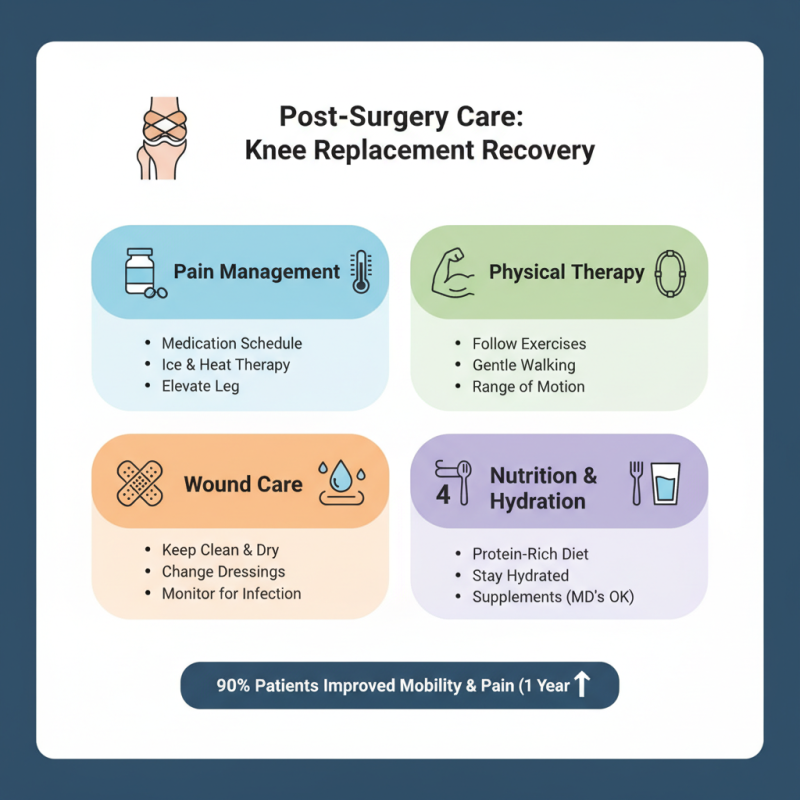
Knee replacement surgery is a significant step for those suffering from osteoarthritis. After the procedure, effective post-surgery care is crucial for recovery. Studies show that around 90% of patients experience improved pain levels and increased mobility within a year. However, recovery can be challenging and requires diligence.
Physical therapy plays a vital role in rehabilitation. Starting gentle exercises early, as advised by healthcare professionals, can significantly enhance flexibility. Research indicates that patients who participate actively in rehabilitation see superior outcomes. Consistent movement prevents stiffness and promotes healing. Remember, it's common to feel frustrated at times during this process. Recognizing that recovery varies for each individual can help set realistic expectations.
Additionally, pain management is essential. It's normal to experience discomfort, but understanding how to manage it can affect recovery outcomes. Following your doctor’s advice on medication and applying ice to the knee can help. Keeping a close eye on swelling and reporting any significant changes is imperative. This proactive approach aids in timely interventions, often crucial for a smooth recovery journey.
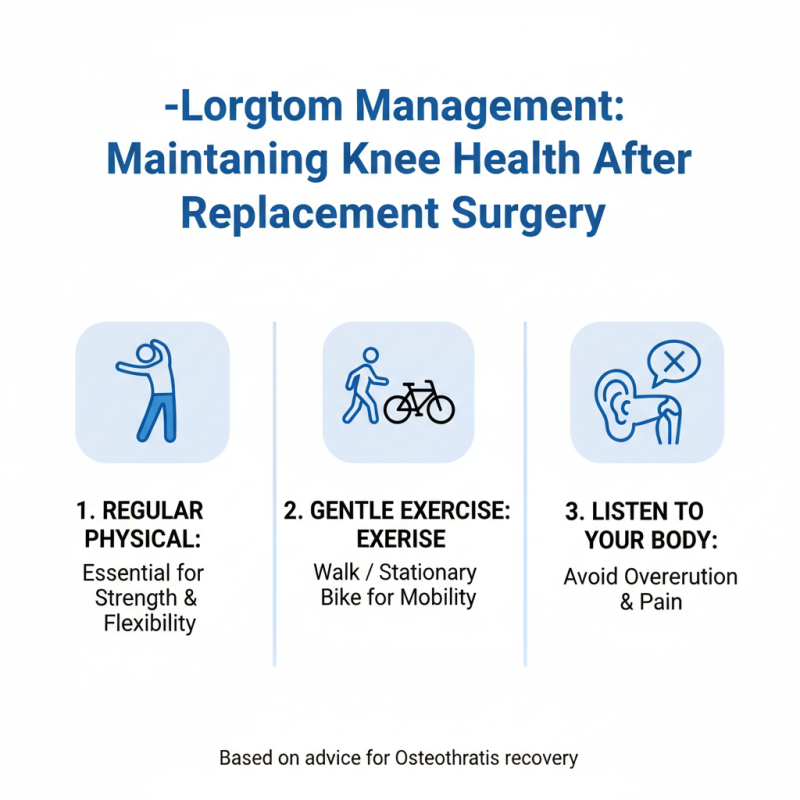
Long-Term Management: Maintaining Knee Health After Replacement Surgery
After knee replacement surgery due to osteoarthritis, maintaining knee health is crucial for long-term success. Regular physical therapy is essential. Engaging in prescribed exercises promotes strength and flexibility. Walking gently or using a stationary bike can improve mobility without putting excessive strain on your new joint. Listen to your body during recovery; overdoing it can lead to unnecessary pain.
Nutrition plays a vital role in joint health. A balanced diet rich in anti-inflammatory foods can aid recovery and support overall health. Staying hydrated is often overlooked but is equally important. Monitor your weight; excess pounds increase stress on your knees, which may affect the longevity of your knee replacement.
Monitor your pain levels closely. Pain shouldn't be ignored, as it might signal issues with the implant or the surrounding tissues. Regular check-ups with your healthcare provider are necessary. They can provide insights into your progress and suggest modifications to your routine. Engage in mindfulness practices to manage any stress associated with recovery. Embrace this journey, reflecting on your progress while staying adaptable to challenges.
Related Posts
-
Why Should You Consider Arthritis Knee Replacement Surgery?
-

How to Decide Between Osteoarthritis Treatment and Knee Replacement?
-

What Are the Stages of Osteoarthritis for Global Buyers at Canton Fair?
-

2026 Top Insights on Mild Osteoarthritis Management Trends?
-

How to Prevent Osteoarthritis Naturally and Effectively?
-
Top 10 Reasons for Knee Replacement in Osteoarthritis Patients?
DISCOVER THE POTENTIAL OF INNOVATIVE PROSTHETICS
From minor to severe injuries, our team develops advanced devices designed to support recovery and promote overall wellness.