How to Decide Between Osteoarthritis Treatment and Knee Replacement?
Living with osteoarthritis can be challenging. Many individuals face the difficult decision between pursuing traditional treatments or opting for knee replacement surgery. The journey is personal and varies for each patient.
Osteoarthritis and knee replacement are often discussed in medical consultations. Each option has its benefits and drawbacks. Treatments like physical therapy and medications can provide relief. However, they may not work for everyone. In some cases, pain persists, and mobility diminishes over time.
Knee replacement surgery offers a potential solution for severe cases. Yet, it is not without risks and recovery challenges. Patients must weigh their options carefully. Understanding individual needs and lifestyle is crucial. Reflecting on these choices can lead to better outcomes. Everyone's experience with osteoarthritis is unique, and the path forward is not always clear.

Understanding Osteoarthritis: Symptoms and Diagnosis Criteria
Osteoarthritis is a common joint disorder. It primarily affects the knees, leading to pain and stiffness. Symptoms often develop gradually. You might notice swelling or tenderness around the joint. Limited mobility can also occur. These signs may deter you from daily activities.
Diagnosis usually involves a physical exam and imaging tests. Doctors will look for joint space narrowing and bone spurs.
Pain relief is often the first line of treatment. Over-the-counter medications can help manage discomfort. Physical therapy may improve mobility. Sometimes, lifestyle changes are recommended.
Weight loss can reduce stress on the knees. However, these methods may not work for everyone. In advanced stages, surgery like knee replacement might be necessary.
Always consider the pros and cons of each approach. It’s crucial to discuss options with your healthcare provider. They can tailor a treatment plan to your needs.
Evaluating Treatment Options for Osteoarthritis: Medication to Physical Therapy
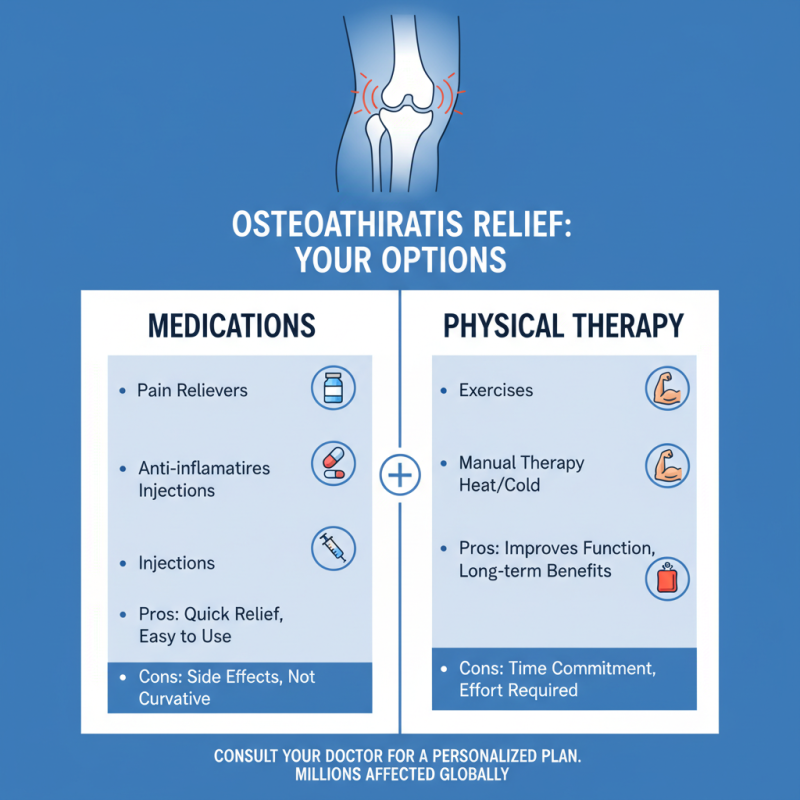
Osteoarthritis affects millions worldwide. Treatment choices can be overwhelming. The common options include medications and physical therapy. Both have unique benefits and limitations.
Medications, such as NSAIDs, can alleviate pain. However, long-term use may lead to side effects, including gastrointestinal issues. In fact, about 30% of patients discontinue these medications due to adverse reactions. Alternatives like acetaminophen exist, but their efficacy may vary from person to person.
Physical therapy is another essential option. It focuses on strength training and flexibility. Studies suggest that dedicated sessions can reduce pain by up to 40%. Yet, not everyone adheres to prescribed routines. Some may find it monotonous. Regular sessions require commitment, which can be challenging. Exploring personalized therapy plans can enhance motivation and results. Treatment for osteoarthritis requires careful consideration.
Knee Replacement Surgery: When to Consider as a Viable Option
Knee replacement surgery can be a life-changing decision. It may be a viable option when osteoarthritis severely affects mobility and quality of life. When daily activities become painful or limited, it’s time to assess the situation. Persistent pain after trying conservative treatments often leads individuals to consider surgery.
Patients should weigh the benefits and risks. Recovery can be long and challenging. Physical therapy is essential for regaining strength. Some experience initial complications, which can be frustrating. Understanding these aspects is crucial. Seeking multiple opinions can help clarify options.
Discussing personal goals with healthcare providers can be revealing. It’s important to identify what aspects of life are most affected by knee issues. If walking or engaging in hobbies is hindered, surgery might be justified. Consider also the emotional toll of living with pain. Each case is unique, and decisions should reflect individual needs and lifestyles.
Comparative Effectiveness: Osteoarthritis Treatments vs. Knee Replacement
When faced with osteoarthritis, patients often weigh treatment options against knee replacement surgery. Treatments like physical therapy and medications can help alleviate pain and improve mobility. However, these methods may not provide lasting relief, especially in severe cases. Patients should consider how long they’ve experienced symptoms and the impact on their daily lives.
Knee replacement offers a more permanent solution. It can significantly reduce pain and enhance function. Yet, it comes with its own risks, including surgery complications and a long recovery process. Some individuals may struggle with the idea of surgery, worried about the potential for failure. It's crucial to reflect on personal goals and lifestyle. Would a less invasive approach suffice? Or is relief from osteoarthritis worth the risks associated with surgery? Each person's journey is unique, and these decisions are never easy.
Comparative Effectiveness: Osteoarthritis Treatments vs. Knee Replacement
This bar chart compares the patient satisfaction scores for different treatments for osteoarthritis, including physical therapy, medication, and knee replacement. While knee replacement shows higher satisfaction, physical therapy remains a viable option for many patients.
Patient Quality of Life After Treatment: Key Outcomes and Metrics
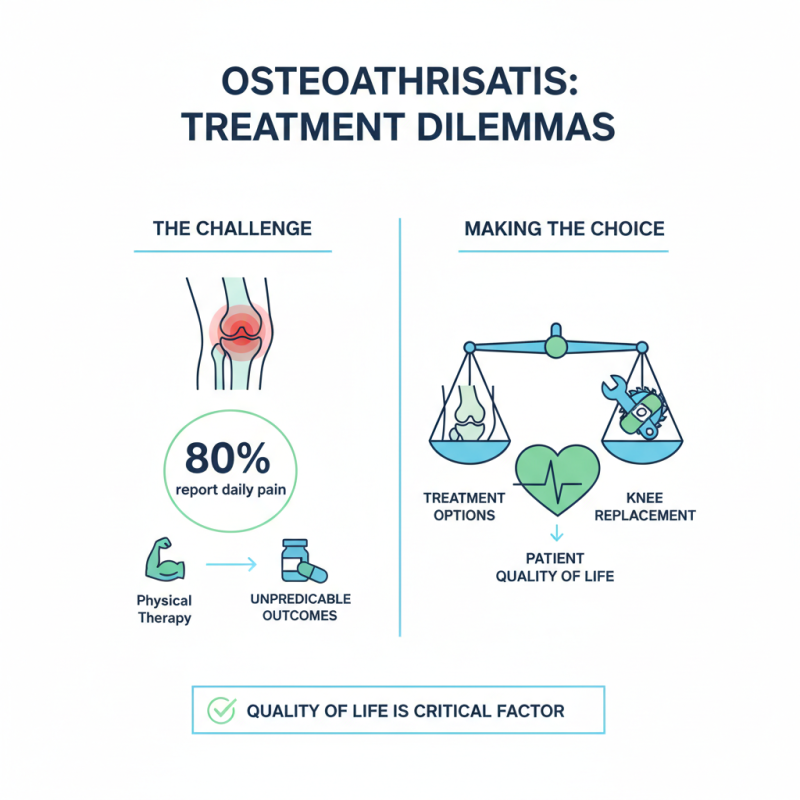
When it comes to osteoarthritis, choosing between treatment options or knee replacement is challenging. Patient quality of life is a critical factor in this decision. Recent studies show that 80% of people with knee osteoarthritis report pain that affects daily activities. Pain management methods vary, including physical therapy and medication, but the outcomes can be unpredictable.
Research highlights that individuals opting for knee replacement often experience significant improvements. According to a 2020 report by the American Academy of Orthopaedic Surgeons, 90% of knee replacement patients reported substantial reductions in pain and enhancements in mobility post-surgery. However, there are also risks involved. Complications could arise, and recovery might not always go as planned. Some patients experience chronic pain even after surgery.
A patient's quality of life depends on thorough assessments of personal needs and expectations. Metrics like the Western Ontario and McMaster Universities Osteoarthritis Index (WOMAC) are helpful. They evaluate pain, stiffness, and functional limitations. These metrics guide patients in understanding whether conservative treatments or knee replacement aligns better with their life goals. The decision can be daunting, reflecting on what truly matters in one's daily life is essential.
Related Posts
-
Why Do We Experience Knee and Joint Pain?
-

2026 Best Ways to Prevent Osteoarthritis for a Healthier Future?
-

How to Prevent Osteoarthritis Naturally and Effectively?
-

Why Understanding Osteoarthritis Stages is Essential for Effective Management?
-

10 Essential Tips for Managing Bad Knee Pain and Staying Active
-

Top 10 Symptoms of Osteo Arthrosis You Should Not Ignore?
DISCOVER THE POTENTIAL OF INNOVATIVE PROSTHETICS
From minor to severe injuries, our team develops advanced devices designed to support recovery and promote overall wellness.