Top 10 Common Causes of Osteoarthritis You Should Know

Osteoarthritis is a common degenerative joint disorder, affecting millions globally. According to the World Health Organization, over 300 million people suffer from this condition. The multifactorial nature of osteoarthritis causes is vital for understanding its impact on daily life.

Studies indicate that age, genetics, and injury play significant roles in the development of osteoarthritis. For instance, research shows that individuals over 65 are at a higher risk of progression. Moreover, weight can exacerbate symptoms, as excess pressure impacts joints. This highlights the need for awareness and preventive measures to combat this prevalent issue.

Recognizing osteoarthritis causes is essential for effective management. Understanding these factors can empower individuals to seek timely interventions. The complexity of risk factors is worth reflecting upon. Only through education can we alleviate the burden of this condition on our communities.
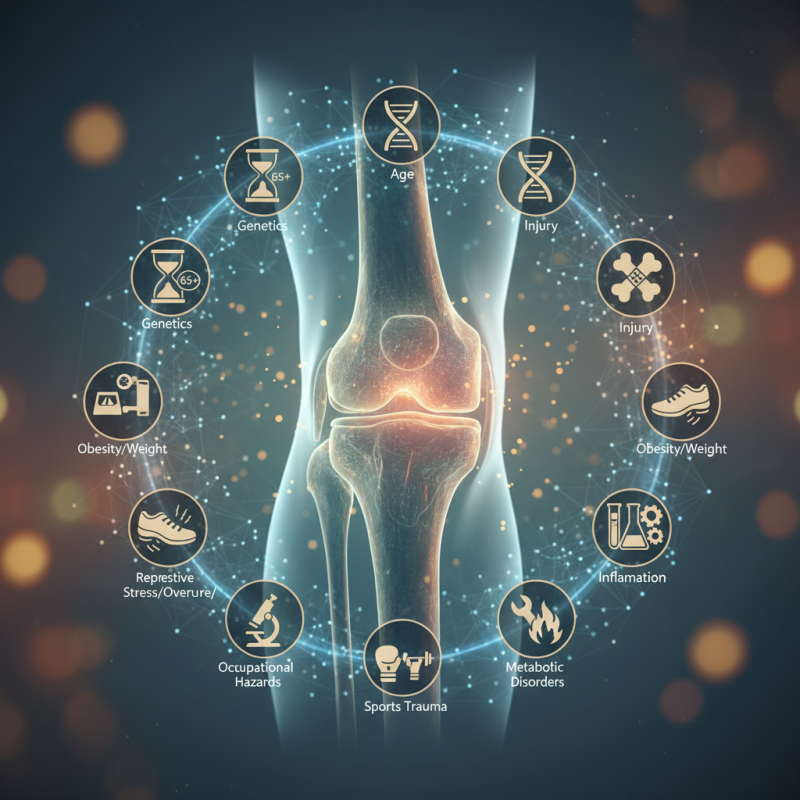
Top 10 Common Causes of Osteoarthritis You Should Know

Common Causes of Osteoarthritis: Overview and Prevalence Statistics

Osteoarthritis is a common joint condition affecting millions worldwide. It often occurs in weight-bearing joints like knees and hips. Statistics show that about 27 million adults in the United States suffer from osteoarthritis. This number is expected to rise as the population ages.


There are several factors contributing to the development of this condition. Age is a primary factor; as we grow older, the cartilage in our joints naturally wears down. Obesity is another significant cause. Extra weight puts additional stress on joints, particularly the knees. Genetics also play a role. If your family has a history of osteoarthritis, you may be more prone to it.


Joint injuries can lead to osteoarthritis as well. Even minor injuries can have lasting effects. Repetitive stress from certain jobs or sports increases the risk too. By understanding these causes, individuals can take proactive measures. Weight management, exercise, and injury prevention are vital. Still, reflecting on lifestyle habits is essential for joint health.
Age-Related Joint Degeneration and Its Impact on Osteoarthritis Risk

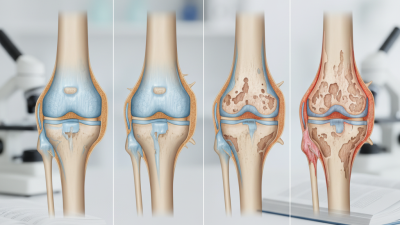
Osteoarthritis is a common joint disorder, especially in older adults. As we age, our cartilage, which cushions joints, wears down. This degeneration often leads to pain, stiffness, and swelling. Risk factors are not just age; genetics and lifestyle choices also play a significant role.

Older adults frequently experience decreased joint flexibility. Simple activities, like walking or climbing stairs, can become difficult. This lack of mobility can significantly impact daily life. Furthermore, the degeneration of cartilage can create bone spurs, leading to further discomfort. Engaging in low-impact exercises is crucial to maintaining joint health. However, many hesitate due to existing pain.

Emotional health should not be overlooked. Chronic pain can lead to feelings of distress and frustration. Many underestimate the psychological impact of osteoarthritis. Finding effective coping strategies is essential. Open conversations with healthcare providers about pain management and exercise options can be beneficial. Aging doesn't mean surrendering to joint pain, but it does require understanding its complexities.

Top 10 Common Causes of Osteoarthritis You Should Know

Cause Description Age Group Affected Impact Level
Age Advancing age increases risk due to natural joint wear and tear. 50+ High
Genetics Family history of osteoarthritis can increase susceptibility. All ages Medium
Obesity Excess weight adds stress to weight-bearing joints. All ages High
Joint Injuries Previous injuries can increase the risk of developing osteoarthritis. All ages Medium
Overuse Repeated use of joints can lead to damage and inflammation. 30-60 Medium
Gender Women are more likely to develop osteoarthritis after menopause. 50+ Medium
Muscle Weakness Weak muscles around a joint can lead to increased pressure and deterioration. All ages High
Metabolic Disorders Conditions like diabetes can affect joint health and increase risks. All ages Medium
Previous Surgery Certain surgeries can lead to changes in joint mechanics. All ages Medium
Nutritional Deficiencies Lack of nutrients like vitamin D can impair joint function. All ages Low

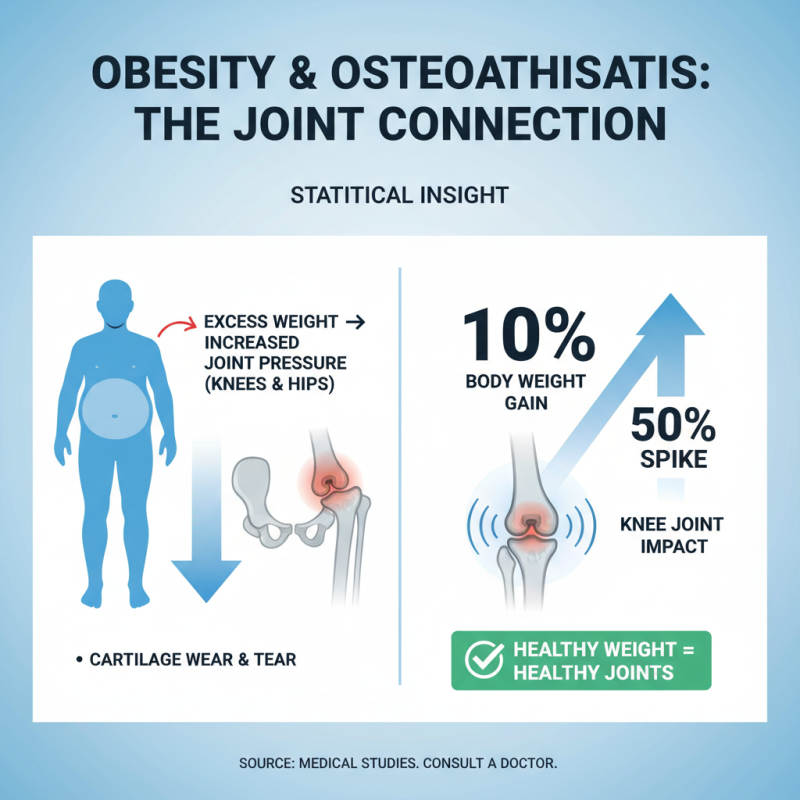
Obesity's Role in Osteoarthritis Development: A Statistical Insight

Top 10 Common Causes of Osteoarthritis You Should Know

Obesity is a significant factor in the development of osteoarthritis, particularly in weight-bearing joints like the knees and hips. The extra weight increases pressure on the joints, leading to wear and tear of cartilage over time. Studies show that even modest weight gain can elevate the risk. A 10% increase in body weight can lead to a 50% spike in knee joint impact. This connection emphasizes the importance of maintaining a healthy weight.

Tips: Monitor your body weight regularly. Small, consistent changes in diet can have long-term benefits.

Understanding this relationship can inform lifestyle choices. If excess weight is an issue, consider adopting a balanced diet and regular exercise. Engaging in low-impact activities, such as swimming or cycling, can help reduce joint strain. Strength training can also enhance muscle support around joints.

Tips: Incorporate strength training two to three times a week. This can promote joint stability and reduce pain.

It's vital to acknowledge that managing weight is not always straightforward. Emotional factors, habits, and social influences can complicate weight loss efforts. Seeking professional guidance, such as working with a nutritionist, may provide necessary support. It’s about progress, not perfection.

Genetic Factors Influencing Osteoarthritis: Understanding Heritability

Genetic factors play a crucial role in osteoarthritis (OA). Studies estimate that heritability accounts for 40-65% of OA risk. This means if your family has a history of the disease, your chances of developing it increase significantly. Specific genes linked to cartilage health have been identified in various research. For instance, variations in the GDF5 gene are associated with a higher risk of knee and hip OA.

A thorough examination of these genetic predispositions reveals how they interact with environmental factors. For example, a person genetically predisposed to OA might not develop the condition if they maintain a healthy weight and active lifestyle. However, this interplay doesn’t negate the influence of genetics. The presence of certain alleles can predispose individuals to joint degeneration, often exacerbated by factors like obesity or joint injuries.

It’s essential to consider that genetics is just one piece of the puzzle. Lifestyle choices and environmental factors play a significant role. Although we can’t change our DNA, being aware of our genetic risks empowers us to take preventive measures. A proactive approach can delay or mitigate symptoms, fostering a better quality of life even for those with a hereditary predisposition to osteoarthritis.

Previous Joint Injuries: How They Contribute to Osteoarthritis Onset

Previous joint injuries are a significant risk factor for developing osteoarthritis (OA). Research indicates that individuals who have suffered traumatic injuries to their joints are 2 to 5 times more likely to develop OA later in life. The National Institutes of Health reports that these injuries can lead to changes in the joint structure, including cartilage deterioration, which is critical for joint function.

When a joint is injured, inflammation may occur. This inflammation often leads to pain and swelling, creating a vicious cycle. Over time, cartilage may become less effective at cushioning the joint. According to a study published in the Journal of Orthopaedic Research, post-injury changes can begin within months and progress rapidly. This rapid progression can be alarming, especially for athletes or individuals who engage in high-impact activities.

Not all joint injuries will lead to OA, but the risk certainly exists. Addressing previous injuries through proper rehabilitation is crucial. Individuals should consult healthcare professionals if they experience joint pain following an injury. Understanding the link between injuries and OA may not be straightforward, but it is essential for prevention strategies.

Top 10 Common Causes of Osteoarthritis: Previous Joint Injuries

DISCOVER THE POTENTIAL OF INNOVATIVE PROSTHETICS

From minor to severe injuries, our team develops advanced devices designed to support recovery and promote overall wellness.

Contact Us