
How to Choose the Best Sleep Monitoring Technology for You?

In today's fast-paced world, sleep often takes a backseat. Many struggle with sleep quality, prompting a rise in "Sleep Monitoring Technology." These tools promise to enhance our understanding of sleep patterns. They track everything from sleep stages to heart rates, providing insights that were once out of reach.

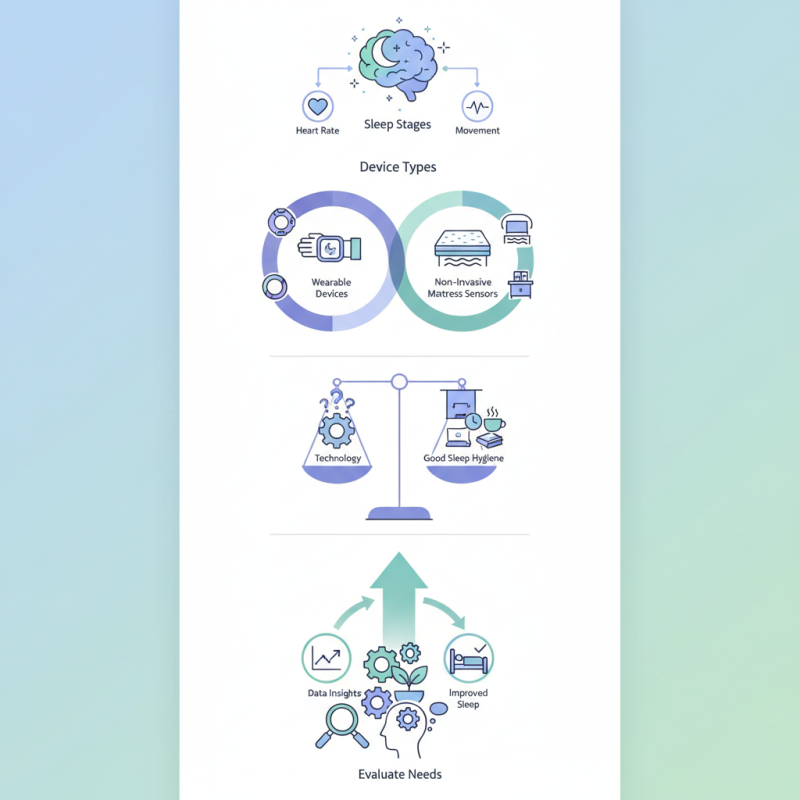
Choosing the right sleep monitoring technology can seem overwhelming. There are numerous devices available, each offering unique features and benefits. Some individuals may prefer a wearable device, while others might lean towards non-invasive mattress sensors. It’s essential to evaluate which technology aligns with your needs and lifestyle.

Moreover, relying solely on these tools can be misleading. Not all sleep monitors deliver accurate data. Some users report discrepancies in readings, raising questions about reliability. It’s crucial to approach these technologies with a balanced perspective. While they hold potential for improving sleep, they should complement, not replace, good sleep hygiene practices.
How to Choose the Best Sleep Monitoring Technology for You?

Understanding Different Types of Sleep Monitoring Technologies Available

When it comes to sleep monitoring technologies, various options are designed to meet different needs. Wearable devices, like fitness trackers, provide basic sleep patterns and durations. These gadgets can be convenient, but their accuracy often varies. Users may find themselves checking the stats frequently, a habit that could inadvertently affect sleep quality.

Non-wearable technologies, such as under-mattress sensors, offer an alternative. These devices track motion and heart rate without the need to wear anything. They can be a great choice for those who dislike wearing devices while sleeping. However, potential limitations include sensitivity to mattress type and possible data misinterpretation.

Smart home devices with integrated sleep technology also present interesting possibilities. They adjust room conditions based on sleep habits. However, reliability can fluctuate depending on the technology and its integration within your environment. Each approach has strengths and weaknesses, highlighting the importance of personal requirements. Ultimately, an informed decision should reflect both your lifestyle and your specific sleep goals.

How to Choose the Best Sleep Monitoring Technology for You?

Technology Type Monitoring Method Data Tracked Best For
Wearable Devices Wristbands, smartwatches Sleep duration, heart rate, movement Active individuals, detailed tracking
Bed Sensors Under-mattress sensors Sleep cycles, breathing patterns Couples, minimal wear
Mobile Apps Smartphones Audio recording, sleep stages Budget-conscious users
Smart Pillows Integrated technology in pillows Sleep position, snoring Those with neck or back pain
Sleep Clinics Professional sleep studies Comprehensive sleep quality analysis Severe sleep disorders

Key Features to Look for in Sleep Tracking Devices and Apps

When selecting sleep monitoring technology, consider key features that truly matter. Not all devices offer the same level of data accuracy. Look for wearable devices that track heart rate variability and breathing patterns. A recent study showed that nearly 70% of sleep trackers inaccurately measure deep sleep stages. This highlights the need for caution when interpreting data.


Ease of use is another crucial factor. Apps should present data in an easily digestible manner. Many advanced trackers synchronize with smartphones for a seamless experience. However, some users report confusion with complex interfaces. Intuitive designs can enhance user engagement and compliance with sleep goals.


Tips: Focus on comfort during sleep. Some devices may feel bulky or irritating. Choose those that you can comfortably wear or place on your bedside. Reliability is also vital. Look for devices that consistently produce similar results over time. A consistent performance can help build trust in the data provided. Remember, understanding your sleep patterns is an ongoing journey. Regularly reassess the technology you use.

Evaluating Accuracy and Reliability of Sleep Monitoring Data

When selecting sleep monitoring technology, evaluating the accuracy and reliability of data is crucial. According to a report from the National Sleep Foundation, accurate sleep tracking can help users understand their sleep patterns and improve their overall health. However, many devices struggle with accuracy. In a study, 25% of sleep trackers overestimated sleep duration by more than an hour. This discrepancy can affect how individuals interpret their sleep quality.

Understanding the calibration of various devices is essential. High-quality medical-grade polysomnography offers unparalleled accuracy. In contrast, consumer-grade wearables often rely on algorithms that might not capture deeper sleep stages. A recent survey indicated that 40% of users trust their sleep trackers, yet only 15% fully understand how the data is generated. This gap in understanding can lead to misinformation about sleep habits.

Additionally, consider how external factors impact sleep. Environmental conditions, like noise or temperature, may not be accounted for in tracking devices. A report from the CDC highlighted that poor sleep can significantly affect mental health. Users must reflect on their unique sleep environment when interpreting data. Emphasizing reliable data collection methods while being cautious of device limitations is necessary for meaningful insights into sleep health.

Sleep Monitoring Accuracy Comparison

This chart compares the accuracy percentages of various sleep monitoring devices, providing insights into their performance. A higher percentage indicates better accuracy in tracking sleep data.

The Role of Sleep Monitoring in Improving Sleep Health and Well-being

Sleep monitoring technology has become vital for enhancing sleep health. Many people struggle with sleep issues. Understanding how these technologies work can provide valuable insights. They track sleep patterns and provide data on sleep quality. This information helps identify key factors affecting rest and recovery.

The role of sleep monitoring extends deep into personal well-being. Data collected can reveal habits that disrupt sleep. For example, consistent patterns may indicate stress or poor sleep hygiene. Reflecting on this data allows individuals to make necessary changes. Adjusting bedtime routines and environmental factors can yield improvements. Yet, not all monitoring devices are created equal. Users may find some tools less effective than expected.

Choosing the right technology requires careful consideration. Seek devices that offer relevant insights tailored to your lifestyle. However, reliance on technology may lead to anxiety. It's crucial to balance data interpretation with intuition about your body. Recognizing when to step away from the screen is as important as monitoring sleep health itself.

Comparing Price Points: Budget Options vs. Premium Sleep Tech Solutions

When it comes to sleep monitoring technology, price can be a significant factor. Budget options often start as low as $50. These entry-level devices typically track basic metrics, such as sleep duration and phases. While they are affordable, their accuracy may vary. According to a recent study, some budget devices can deviate by over 20% in sleep data accuracy.

On the other hand, premium sleep tech solutions often range from $200 to $400. These devices offer advanced features like heart rate variability assessment and detailed sleep analysis. A comprehensive report indicates that premium devices provide data accuracy that exceeds 90%. This level of precision can be crucial for individuals seeking to improve their sleep quality. However, potential buyers should reflect on whether the extra features justify the cost.

There’s a growing awareness of sleep’s impact on overall health. While investing in sleep technology can be beneficial, it’s essential to weigh the costs against personal needs. Not everyone requires a high-end device. Sometimes, simpler options can help establish a better sleep routine. Tailoring your choice based on lifestyle and financial flexibility is key in your decision-making process.

DISCOVER THE POTENTIAL OF INNOVATIVE PROSTHETICS

From minor to severe injuries, our team develops advanced devices designed to support recovery and promote overall wellness.

Contact Us