How to Choose Cleaning Wet Wipes for Global Buyers?
Choosing Cleaning Wet Wipes for international markets requires more than comparing prices and package sizes. Buyers must examine material quality, liquid formulation, cleaning performance, packaging strength, and storage stability. A soft wipe may feel premium, yet it can leave lint on glass or tear during heavy-duty use. Small details matter.
Microbiologist Charles P. Gerba offers a practical reminder: “A wipe is not a magic shield; performance depends on the surface, the formula, and correct use.” His point reflects an important purchasing reality. Cleaning Wet Wipes should match the intended task, from removing food residue on kitchen counters to lifting dust from office equipment. Check the substrate, such as spunlace, airlaid paper, or biodegradable nonwoven fabric. Then review moisture level, fragrance, alcohol content, and compatibility with sensitive surfaces.
Global buyers also need dependable documentation. Confirm ingredient disclosure, batch traceability, shelf life, carton labeling, and transport protection. Ask suppliers for test reports, samples, and production photographs. Do not trust impressive claims alone. A “flushable” label may still create environmental concerns. A “biodegradable” claim may require careful verification. Regional requirements also differ, and packaging errors can delay market entry.
Testing is essential. Place sample wipes beside a stainless-steel sink, a wooden desk, and a coated screen. Observe residue, odor, tearing, drying time, and surface changes. The first choice may be wrong. That is useful. Careful comparison helps buyers select Cleaning Wet Wipes that perform reliably, communicate honestly, and support long-term customer trust.
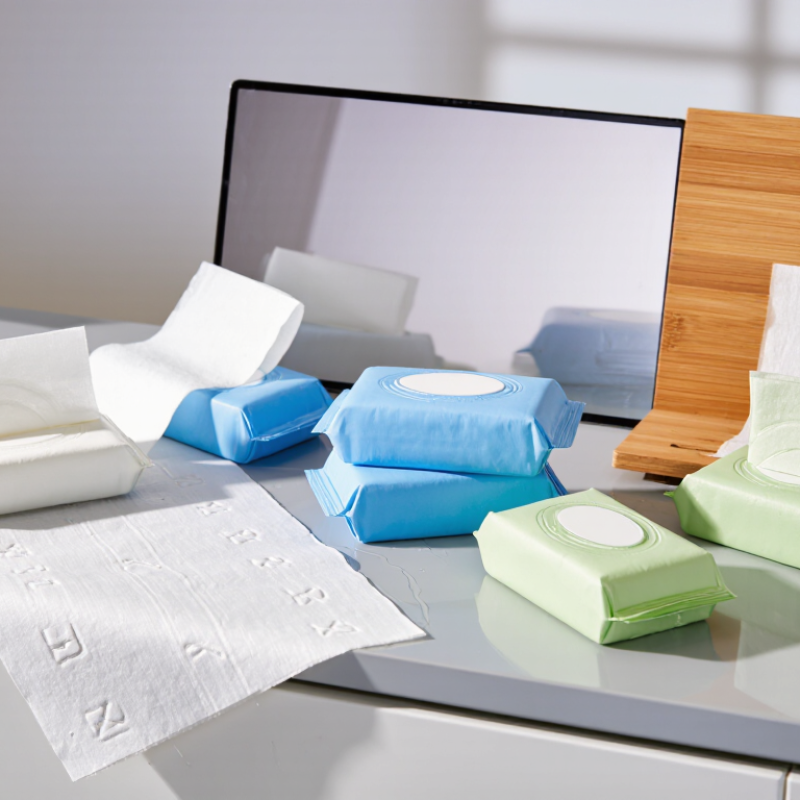
Define the Cleaning Task and Select the Right Wipe Category
Global buyers should define the cleaning task before comparing wet wipes. A kitchen wipe must lift grease and food residue. A bathroom wipe needs stronger soil removal and low streaking. For dust, choose a soft, low-lint wipe. For delicate screens, avoid abrasive fibers and excessive moisture.
According to Grand View Research, the global wet wipes market was valued at about USD 23.6 billion in 2023. Its projected growth reflects wider use across household, healthcare, and commercial cleaning. Smithers’ industry outlook also highlights demand for lower-lint, higher-performance nonwoven wipes. These figures show market expansion, not automatic product suitability. The task still controls the category.
Disinfecting wipes require extra care. Buyers should verify the tested contact time, target organisms, and surface compatibility. A wipe that looks wet may dry too quickly. That matters. For routine cleaning, detergent wipes are often more practical than disinfecting grades. Check liquid loading, substrate strength, packaging seal, and disposal instructions. I have seen strong wipes leave streaks on polished surfaces. This is easy to miss during sampling. A better evaluation uses grease, dust, and repeated wiping tests on the buyer’s actual surfaces. Data sheets help, but real-use trials reveal weaknesses.
Check Material Safety, Skin Compatibility, and Cleaning Performance
Global buyers should judge cleaning wet wipes by more than softness and package appearance. Material safety comes first. Check the wipe substrate, lotion ingredients, fragrance, preservatives, and packaging film. Ask suppliers for recent safety data, microbiological results, and batch records. A clear ingredient list is essential. Vague wording creates avoidable risk.
Skin compatibility needs practical testing. Review pH, alcohol content, and potential irritants, especially for facial, baby, or frequent-use wipes. Test samples on different skin types under controlled conditions. Observe redness, dryness, odor, and residue after repeated use. No wipe suits everyone. Even a well-tested formula may perform differently in hot, dry, or humid climates. That limitation deserves honest review.
Cleaning performance should match the intended surface. Measure soil removal on glass, stainless steel, plastic, or skin, rather than relying on a strong fragrance. Check wetness consistency from the first wipe to the last. I have found that overly wet wipes can leave streaks, while dry edges reduce user confidence. Tips: Request samples from several production batches. Compare fiber strength, tear resistance, drying time, and cleaning results. Keep test photos and records. Supplier claims are useful, but direct evidence is better.
Compare Ingredients, Moisture Levels, and Packaging Formats
How to Choose Cleaning Wet Wipes for Global Buyers?
For global buyers, ingredient lists deserve careful reading. Choose purified water, gentle cleansing agents, and clearly identified preservatives. Avoid vague terms such as “special blend” when reviewing supplier documents. Fragrance-free options may suit sensitive users and shared workplace environments. I have found that simple formulas are easier to explain to distributors. They also reduce confusion during customer support. Still, “natural” does not automatically mean safer. Every ingredient needs evidence, testing, and proper documentation.
Moisture level affects cleaning performance, shelf life, and user comfort. A wipe that feels dry after one pass may disappoint customers. An overly wet wipe can drip, tear, or leave residue on smooth surfaces. Request samples and test them on glass, stainless steel, and plastic. Check the seal after repeated opening. Packaging format matters too. Flip-top packs offer quick access, while soft packs reduce shipping volume. Individual sachets support hygiene in travel, healthcare, and hospitality settings. However, they create more packaging waste. That trade-off deserves honest discussion.
Tips: Compare wipe weight, liquid pickup, and drying time across samples. Ask for stability data under warm and humid conditions. Review material composition, seal strength, and label clarity. Confirm that claims match available test reports and destination-market requirements. Do not judge quality from appearance alone. A glossy pack can hide weak sealing. My own evaluation process has sometimes focused too much on softness. Cleaning results and packaging reliability mattered more. Each market may require a different balance.
Verify Certifications, Regulations, and Global Market Requirements
How to Choose Cleaning Wet Wipes for Global Buyers?
For global buyers, certification checks should begin before price comparisons. Ask suppliers for current certificates, test reports, and product specifications. Verify the issuing laboratory, test date, scope, and covered production site. An attractive certificate can still be irrelevant to the finished wipe. ISO 9001 may support quality management, but it does not replace product safety testing. Review the wipe material, cleaning ingredients, fragrance, preservatives, and packaging inks. Request a complete ingredient declaration and safety data sheet where applicable.
Regulations change with product claims and destination markets. A wipe marketed for general surface cleaning may face different rules from one claiming disinfection or pathogen control. Check requirements for chemicals, labeling, language, claims, waste packaging, and imported materials. Confirm whether the destination requires local registration, conformity documents, or specific testing.
Keep batch numbers, production records, and certificates linked to each shipment. Traceability matters when cartons arrive with faded labels or damaged seals.
Small details matter. Test packaging after transport, not only in a clean factory room. Check moisture retention, seal strength, odor, tearing, and compatibility with common surfaces. I once assumed a familiar certificate covered every market; that assumption was too broad. Requirements should be checked country by country, and sometimes product by product. Consult a qualified regulatory specialist when claims or ingredients create uncertainty. Cost savings are useful, but undocumented compliance gaps can delay an entire shipment.