How to Find the Best Way to Treat Osteoarthritis in Knees?

Osteoarthritis in knees affects millions globally. The prevalence of this condition is alarming, with studies indicating that nearly 25% of adults experience knee pain due to arthritis. Finding the best way to treat osteoarthritis in knees remains a critical health concern.

Various approaches exist, from lifestyle changes to medical interventions. Exercise is vital. The Arthritis Foundation notes that moderate physical activity can reduce symptoms significantly. However, many struggle to maintain these routines due to pain and discomfort. This highlights the need for personalized strategies, as one method may not suit everyone.

Understanding the role of diet and weight management is also important. Research shows that losing just 10% of body weight can improve knee function and reduce pain. Yet, achieving this can be challenging for many individuals. Despite existing treatment options, a gap remains in effectively addressing knee osteoarthritis for all patients. Continued exploration is essential to uncovering innovative and effective solutions.

How to Find the Best Way to Treat Osteoarthritis in Knees?

Understanding Osteoarthritis: What Happens to the Knee Joint?

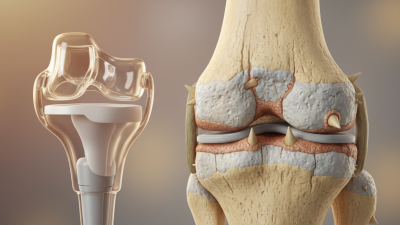
Osteoarthritis is a common joint condition that mainly affects older adults. It occurs when the cartilage in the knee wears down over time. Cartilage acts as a cushion, allowing smooth movement. When it deteriorates, bones can rub against each other, causing pain and stiffness.

In the knee joint, osteoarthritis leads to inflammation. This can cause swelling and tenderness around the joint. People often experience difficulty in bending or extending the knee fully. Even simple tasks like climbing stairs can become challenging. It’s crucial to listen to the body’s signals, yet many ignore early signs of discomfort.

Daily activities may become routine despite the pain. Some may choose to avoid impact exercises, yet these could help strengthen the knee. Others rely solely on pain relievers, which don't address the root problem. A balanced approach is essential, including movement and weight management. Finding the right treatment might take time, and each person’s journey is unique.

How to Find the Best Way to Treat Osteoarthritis in Knees? - Understanding Osteoarthritis: What Happens to the Knee Joint?

Treatment Options Effectiveness Side Effects Duration of Relief
Physical Therapy High None Variable
Medications (NSAIDs) Moderate Gastrointestinal issues Short-term
Corticosteroid Injections High Infection risk Few weeks
Hyaluronic Acid Injections Moderate Swelling Several months
Surgery (e.g., Knee Replacement) Very High Post-operative pain Long-term

Common Symptoms of Knee Osteoarthritis: Recognizing the Condition

How to Find the Best Way to Treat Osteoarthritis in Knees?

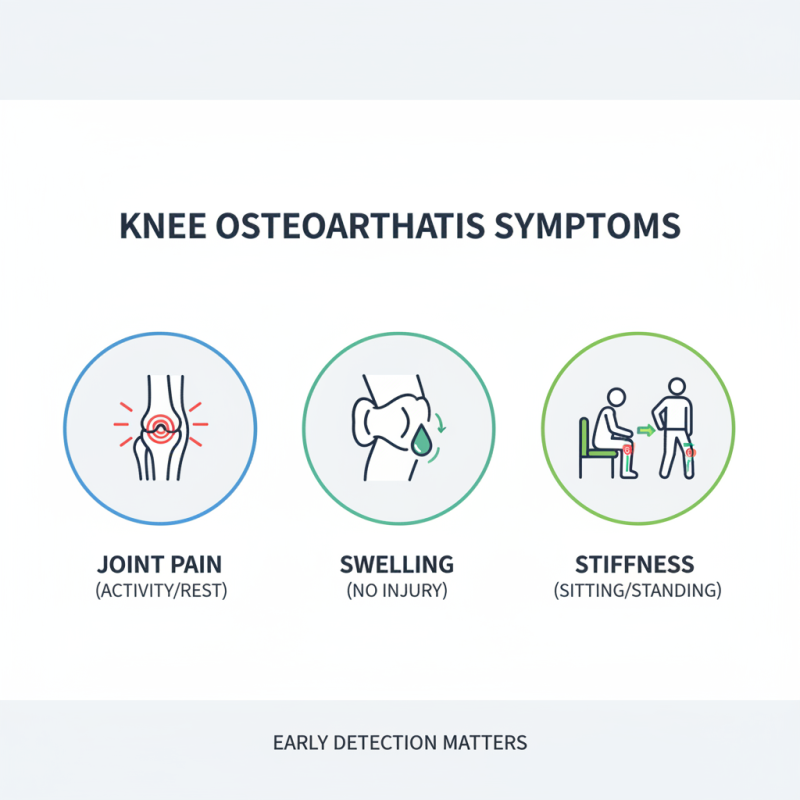
Knee osteoarthritis can be challenging to live with. Understanding its common symptoms is crucial for early detection. Many people experience joint pain during physical activities. This pain can worsen after prolonged sitting or standing. Swelling around the knee is another frequent symptom. It may happen without any visible injury.

Stiffness is also common, especially in the morning or after periods of inactivity. Individuals may find it hard to bend or straighten their knees completely. Friction or creaking sounds can occur when moving the knee. These sensations often signal the wear and tear of cartilage. If left unattended, activities like climbing stairs may become increasingly difficult. Reflecting on daily routines can help in recognizing these subtle signs.

Taking note of your symptoms is vital. This awareness can guide you to seek proper treatment options. Changes in weight or activity levels may improve your condition. Don't overlook the importance of listening to your body. Becoming proactive can lead to a better quality of life.

Diagnosis of Osteoarthritis in Knees: Tests and Procedures Explained

Diagnosing osteoarthritis in the knees involves several important tests and procedures. These help identify the condition and understand its severity. Doctors often begin with a detailed medical history. Patients describe their symptoms, which include pain and stiffness. This initial discussion is crucial for proper diagnosis.

Next, a physical examination is conducted. The physician checks for swelling, tenderness, and range of motion in the knee joint. Sometimes, imaging tests, such as X-rays or MRIs, are ordered. These tools provide clear images of the knee's structure. They help reveal any cartilage loss, bone spurs, or swelling. These details are key in assessing the extent of osteoarthritis.

Blood tests may also be utilized. They rule out other conditions that mimic osteoarthritis symptoms. This adds another layer of understanding to the diagnosis. The process can feel overwhelming. Patients might feel uncertain about their next steps. It’s essential to ask questions and voice concerns. Clear communication with healthcare providers can lead to better outcomes.

Treatment Options for Knee Osteoarthritis: From Lifestyle Changes to Surgery

How to Find the Best Way to Treat Osteoarthritis in Knees?

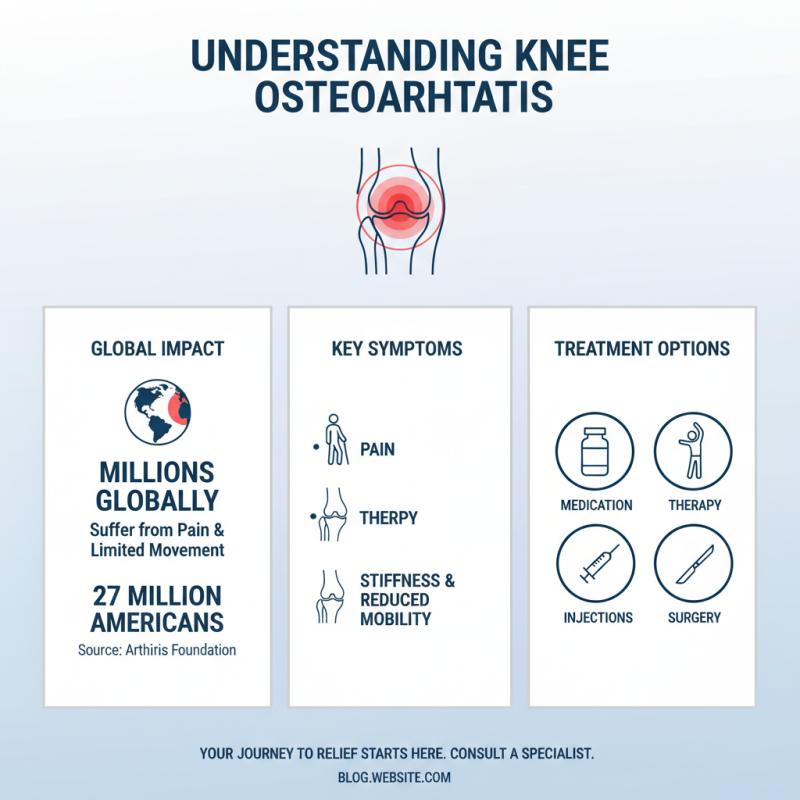
Knee osteoarthritis affects millions globally, causing pain and restricting movement. According to the Arthritis Foundation, about 27 million Americans suffer from this condition. There are several treatment options available.

Lifestyle changes play a vital role. Regular exercise can strengthen muscles, improve flexibility, and reduce pain. Even simple activities, like walking, can be beneficial. Maintaining a healthy weight is crucial as extra pounds increase stress on knees. A study revealed that losing just 10 pounds can reduce knee pain significantly.

In some cases, medication may be necessary. Nonsteroidal anti-inflammatory drugs (NSAIDs) are commonly used. However, long-term use can lead to side effects, including gastrointestinal issues. When non-invasive treatments fail, surgical options may be explored. Arthroscopy and knee replacement surgeries are common but come with risks. People must weigh the benefits against potential complications. Each treatment approach requires careful consideration and a personalized plan.

Alternative Therapies for Managing Knee Osteoarthritis Symptoms

Knee osteoarthritis can be challenging to manage. While conventional treatments are common, alternative therapies are gaining traction. These options may help alleviate symptoms and improve quality of life.

Acupuncture is one popular choice. This ancient practice involves inserting thin needles into specific points on the body. Some people report reduced pain after a few sessions. Others might feel no change. There’s no guarantee it will work for everyone.

Another alternative is herbal supplements. Certain herbs are believed to reduce inflammation. Turmeric and ginger are often mentioned. Some individuals experience relief, but results can vary. It’s essential to consult a healthcare provider before trying any new therapy.

Physical therapies like yoga or tai chi may also aid in symptom management. These low-impact exercises can enhance flexibility and strengthen muscles. Many find them beneficial, yet some struggle to keep up with the routines. Finding the right approach to manage knee osteoarthritis symptoms is an ongoing journey and may require patience and exploration.

DISCOVER THE POTENTIAL OF INNOVATIVE PROSTHETICS

From minor to severe injuries, our team develops advanced devices designed to support recovery and promote overall wellness.

Contact Us