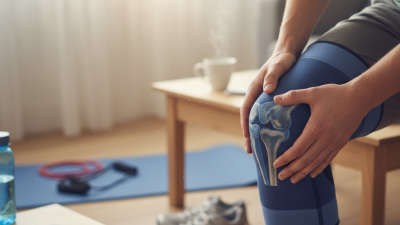
China Top Best Way to Treat Arthritis in Knee?
Knee arthritis can turn ordinary moments into difficult tasks: climbing stairs, standing from a chair, or walking across a market. In China, many patients explore hospital-based orthopedics, rehabilitation therapy, medication, injections, and traditional Chinese medicine. Yet the “best way to treat arthritis in knee” depends on the person, not a single popular remedy. Age, pain severity, joint alignment, weight, activity level, and medical history all influence a safe decision.
There is no universal answer. A qualified orthopedic or rheumatology professional should confirm the diagnosis through physical examination and, when appropriate, X-rays. Treatment often begins with manageable steps, such as strengthening the thigh muscles, improving flexibility, reducing joint stress, and using carefully selected pain relief. A physiotherapist may teach exercises that feel practical at home, including controlled leg raises beside a sturdy chair. Weight management can also reduce pressure on the knee, although progress is rarely quick or perfect.
Some patients may discuss acupuncture or other traditional Chinese medicine approaches with licensed practitioners. Evidence and results vary, so these options should complement, not replace, professional assessment. Injections may offer temporary relief, while surgery is considered when pain and disability persist despite suitable conservative care. This overview cannot replace an individualized medical plan. Real treatment is sometimes slower than expected. Careful review matters more than dramatic promises. The most reliable path combines clinical evidence, experienced professionals, patient preferences, and regular follow-up.
Understanding Knee Arthritis and Its Common Causes
China Top Best Way to Treat Arthritis in Knee?
Knee arthritis, usually osteoarthritis, develops when cartilage and surrounding tissues gradually change. It is not simply “wear and tear.” The World Health Organization reported that about 528 million people worldwide lived with osteoarthritis in 2019. The knee is one of its most commonly affected joints. Pain may appear during stairs, squatting, or a short walk, while stiffness often follows rest.
Common causes are better described as risk factors. Age increases risk, but aging alone does not explain every painful knee. Previous ligament or meniscus injuries can alter joint movement. Excess body weight adds repeated load with each step. Muscle weakness, leg alignment, repetitive work, and family history may also contribute. The U.S. Centers for Disease Control and Prevention estimates that 58.5 million American adults had doctor-diagnosed arthritis during 2016–2018. That figure shows the scale, not an individual diagnosis.
Assessment matters.
A clinician may review symptoms, walking patterns, injury history, and medical conditions before recommending care. Evidence-based treatment often combines tailored exercise, weight management when appropriate, activity changes, and pain relief selected with professional guidance. Imaging can help, but an X-ray does not always match pain severity. I have seen this distinction overlooked. Severe-looking images may cause little discomfort, while modest changes can hurt significantly. Persistent swelling, locking, fever, or sudden inability to bear weight requires prompt medical evaluation.
Recognizing Symptoms and Confirming a Knee Arthritis Diagnosis
Knee arthritis does not have one best treatment for everyone. The reliable starting point is confirming what causes the pain. The World Health Organization reported that 528 million people lived with osteoarthritis globally in 2019. Knees are among the most commonly affected joints. Age, previous injury, weight, work demands, and muscle weakness can all influence symptoms.
Typical signs include pain during stairs, morning stiffness, swelling, grinding, and reduced bending. Stiffness often lasts less than 30 minutes after waking. Pain that continues at rest deserves closer review. A clinician should ask when symptoms began and whether one or both knees hurt. They may check walking, joint alignment, warmth, tenderness, and range of motion. Small details matter. A painful knee is not always arthritis.
Diagnosis usually combines the examination with imaging. Weight-bearing X-rays can show narrowed joint space, bone changes, or alignment problems. Magnetic resonance imaging is not routinely needed for typical osteoarthritis, according to guidance from the American College of Rheumatology and Arthritis Foundation. Blood tests cannot confirm osteoarthritis, but they may help exclude gout or inflammatory disease. Sudden swelling, fever, a hot red knee, or inability to bear weight requires prompt medical assessment. I should add one caution: even clear X-ray changes may not explain severe pain. Symptoms and images sometimes disagree.
Comparing Conservative Treatments Available in China
China’s best treatment for knee arthritis is rarely a single procedure. Conservative care usually starts with education, supervised exercise, weight management, and pain control. The World Health Organization reported that 528 million people lived with osteoarthritis worldwide in 2019, with knees commonly affected.
Exercise matters most.
Chinese clinical guidance generally supports quadriceps strengthening, low-impact walking, cycling, and aquatic exercise. A practical plan may include ten-minute sessions, three times daily, rather than one exhausting workout. Losing even modest weight can reduce knee loading during stairs and standing. Yet many patients stop after two weeks because pain changes slowly. That weakness deserves more attention.
Topical non-steroidal anti-inflammatory medicines can help localized pain with less whole-body exposure than tablets. Oral medicines may be appropriate for short periods, but clinicians should check stomach, kidney, heart, and blood-pressure risks. Injections can provide temporary relief, though results vary and repeated treatment needs careful review. Acupuncture and traditional exercise are used in China, but evidence quality is uneven.
The Global Burden of Disease Study 2021 also shows the continuing worldwide rise of osteoarthritis with population ageing and obesity. For Chinese patients, treatment should consider work demands, access to rehabilitation, and household support. A useful test is simple: can pain, walking distance, or stair control improve after six to twelve weeks? If not, the diagnosis and plan should be reassessed, not automatically escalated to surgery.
China Top Best Way to Treat Arthritis in Knee? - Comparing Conservative Treatments Available in China
The chart compares commonly available conservative treatment options for knee osteoarthritis by guideline recommendation strength. A score of 2 means strongly recommended, 1 means conditionally recommended, and −1 means conditionally recommended against. These scores indicate guideline direction, not guaranteed pain relief for every patient.
Exercise therapy, weight management when appropriate, topical or oral NSAIDs, and short-term intra-articular corticosteroid injections are among the most strongly supported conservative options. Treatment selection should consider symptoms, body weight, cardiovascular and gastrointestinal risks, kidney function, and medical assessment.
Source: 2019 American College of Rheumatology/Arthritis Foundation Guideline for the Management of Osteoarthritis of the Hand, Hip, and Knee. Recommendation categories are simplified for visual comparison and do not replace clinical advice.
Choosing a Safe, Personalized Treatment Plan in China
China’s top treatment for knee arthritis is not one universal procedure. A safer choice begins with a careful, personalized assessment. A qualified orthopaedic specialist should review your pain, walking pattern, medical history, and imaging. X-rays can show joint changes, but symptoms and daily function matter too.
Treatment may include weight management, guided exercises, physical therapy, pain relief, or an injection when appropriate. Surgery should be considered only when persistent pain limits sleep, stairs, or normal movement. Ask how long recovery may take and who will manage follow-up care. A clear plan should explain benefits, possible complications, costs, and alternatives. The best option on paper may not suit your age, health, or expectations.
Tips: Bring previous scans and a complete medication list. Describe when pain appears, such as after ten minutes of walking or while climbing stairs. Seek a second professional opinion before major surgery. Avoid clinics promising instant repair or guaranteed results. Small details can change the recommendation.
Personalization is not always convenient. It may require repeated assessments and honest discussion. Some patients expect imaging to decide everything, but scans can look severe while pain remains manageable. Others delay care for too long. That can reduce mobility and confidence. Choosing care in China means checking clinician credentials, hospital standards, translation support, and emergency arrangements before treatment. Keep written records of every recommendation. Recovery is rarely perfectly predictable.