China Best Methods for Treating Osteoarthritis in Knees?
Osteoarthritis in knees is a common condition that affects millions worldwide. Understanding the best way to treat osteoarthritis in knees is crucial for improving quality of life. Treatments can vary based on individual needs and severity of symptoms.
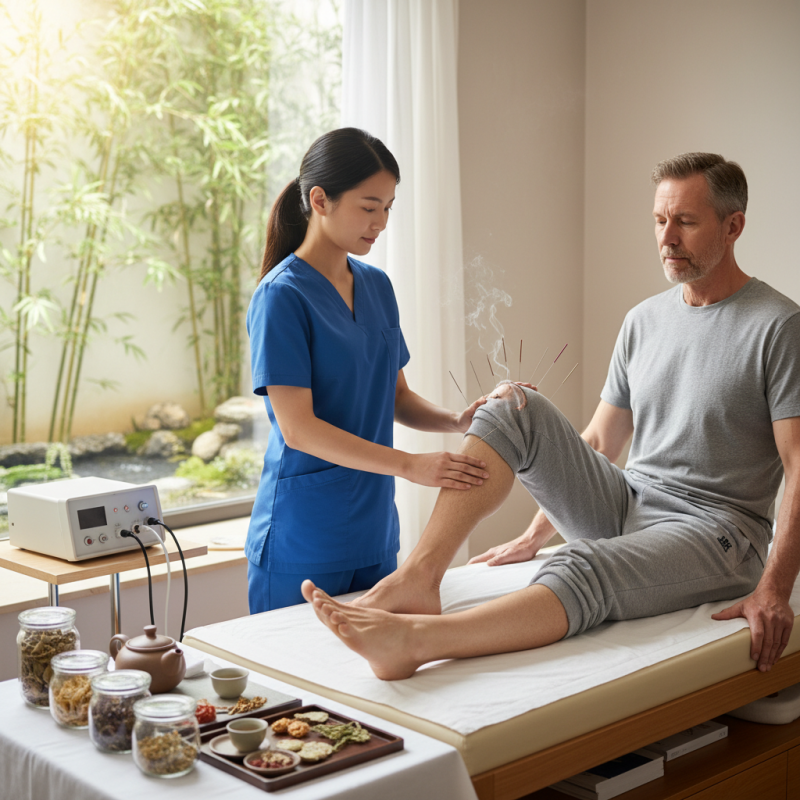
In China, traditional approaches merge with modern medicine. Acupuncture, herbal remedies, and physical therapy are gaining popularity. These methods focus on reducing pain and enhancing mobility. They offer unique benefits that may not be found in conventional treatments.
However, it is essential to recognize that no single treatment is perfect. Each individual's response can differ significantly. Consulting with healthcare professionals ensures a tailored approach. Addressing lifestyle factors, such as diet and exercise, also plays a role in managing this condition effectively.
Overview of Osteoarthritis and Its Impact on Knee Health
Osteoarthritis is a common degenerative joint disease that significantly impacts knee health. It occurs when cartilage deteriorates, leading to pain, swelling, and reduced mobility. For many individuals, these symptoms can hinder daily activities, making it challenging to maintain an active lifestyle. The prevalence of this condition emphasizes the need for effective management strategies.
Tips: Consider low-impact exercises like swimming or cycling. These can alleviate joint pressure while strengthening the muscles around the knee. Regular physical activity is essential. It helps to improve flexibility and reduce pain over time.
Diet also plays a crucial role in managing osteoarthritis. A balanced diet rich in omega-3 fatty acids, antioxidants, and vitamin D may aid in reducing inflammation. Foods like fish, leafy greens, and nuts are beneficial. Staying hydrated is equally important. Drink plenty of water throughout the day to maintain joint lubrication.
Finding effective ways to cope with osteoarthritis can be a journey filled with trial and reflection. What works for one person may not work for another. It’s essential to listen to your body and adapt your approach as needed.
Traditional Chinese Medicine Approaches to Knee Osteoarthritis
Knee osteoarthritis is a common issue that affects many individuals. Traditional Chinese Medicine (TCM) offers unique approaches to managing this condition. Acupuncture is widely practiced. It involves inserting thin needles into specific points. Studies suggest that acupuncture can help reduce pain and improve mobility.
Herbal remedies play a significant role in TCM. Certain herbs, like turmeric and ginger, are known for their anti-inflammatory properties. These can be consumed as teas or supplements. The appropriate blend can vary from person to person, often requiring careful adjustments. It's essential to consult a qualified practitioner for individual prescriptions.
Massage therapy is another component of TCM. Techniques such as Tui Na can relieve knee pain effectively. This method focuses on stimulating blood flow and easing muscle tension. However, the results may differ based on individual circumstances. Regular sessions can lead to noticeable improvements for some, while others may find less relief. Keeping an open mind and being patient with the process is crucial.
Modern Medical Treatments for Knee Osteoarthritis in China
Knee osteoarthritis is a common issue in China, affecting millions. Research indicates that approximately 30% of the elderly suffer from this condition. Traditional approaches include acupuncture and herbal remedies. However, modern medical treatments are becoming increasingly popular.
Physical therapy is a cornerstone of treatment. Studies show it can improve mobility and reduce pain. In a clinical trial, 70% of participants reported significant improvement after consistent therapy. Moreover, medications like non-steroidal anti-inflammatory drugs (NSAIDs) are frequently prescribed. These can relieve symptoms but may have side effects that warrant caution.
Surgical options are also available for severe cases. Arthroscopic surgery shows promise, with over 80% of patients experiencing pain relief. Despite these advancements, some patients express concerns about the risks involved. Each treatment carries potential downsides that require careful consideration. Individuals must weigh the benefits against the risks before proceeding.
Lifestyle Modifications and Rehabilitation Techniques for Osteoarthritis
Knee osteoarthritis can bring significant discomfort and limit mobility. Lifestyle modifications play a crucial role in managing this condition. Regular exercise is essential. Gentle activities, such as walking or swimming, can strengthen the muscles around the knee. Stretching helps maintain flexibility, reducing stiffness.
Weight management is another important factor. Excess weight increases stress on the knees. Even a small loss can lead to improved function and less pain. Dietary changes can also support joint health. Incorporating anti-inflammatory foods, like fruits and vegetables, may offer benefits.
Rehabilitation techniques provide additional support. Physical therapy can guide patients through tailored exercises. Learning to perform daily activities with proper biomechanics helps prevent injury. Mindfulness practices, like yoga or tai chi, can enhance mental well-being and promote relaxation. However, progress can be slow, and not every method works for everyone, which can be frustrating. Flexibility and a willingness to try different approaches are vital for optimal outcomes.
Methods for Treating Osteoarthritis in Knees
Emerging Therapies and Research in Treating Knee Osteoarthritis in China
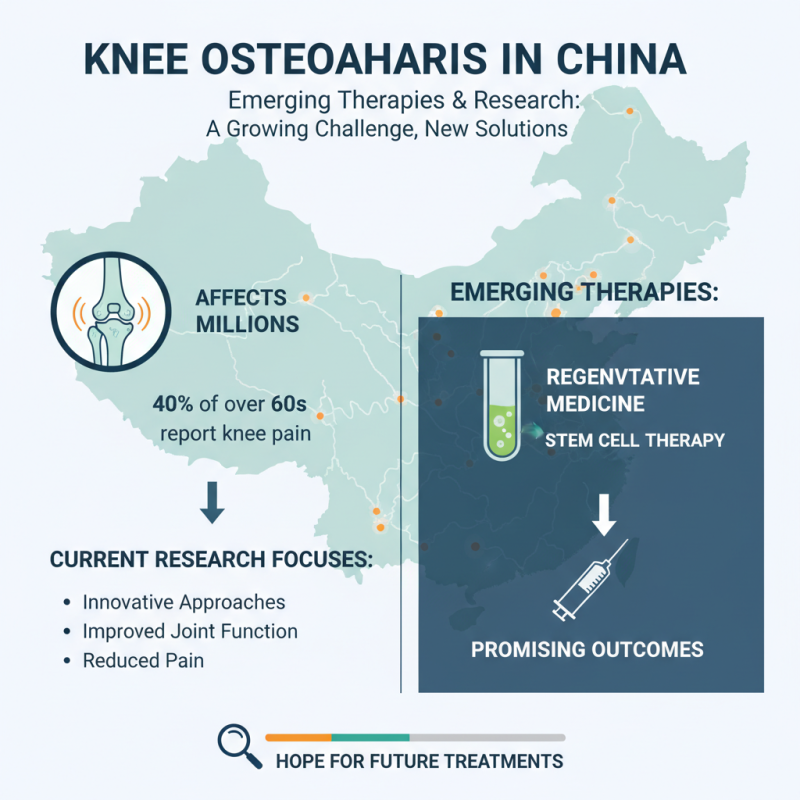
Knee osteoarthritis is a common condition, affecting millions in China. Current research highlights various innovative approaches to treatment. Recent studies indicate that approximately 40% of individuals over 60 report knee pain related to osteoarthritis. Emerging therapies include regenerative medicine techniques, such as stem cell therapy. These methods show promise in improving joint function and reducing pain.
Another area of focus is the use of hyaluronic acid injections. Data shows these injections can provide relief for up to six months. Some clinics are experimenting with new formulations that enhance absorption, aiming for longer-lasting effects. Clinical trials are essential for verifying these approaches, but the initial feedback is encouraging.
Acupuncture remains a traditional yet effective option. Research found that about 70% of patients experience relief from symptoms after several sessions. However, outcomes can vary widely between individuals. This calls for a more tailored approach to treatment. Continued investigation into patient characteristics is necessary. As the healthcare landscape evolves, integrating new findings will shape future osteoarthritis management strategies in China.