
2026 Top Trends in Knee Joint Treatment Solutions and Techniques?
As we approach 2026, innovations in knee joint treatment continue to evolve rapidly. Dr. Emily Carter, a renowned expert in orthopedic surgery, once stated, “The future of knee joint treatment lies in personalized medicine and advanced technologies.” This perspective highlights the importance of individualized approaches in ensuring better patient outcomes.
Emerging trends emphasize minimally invasive techniques and regenerative therapies. These methods aim to reduce recovery time and enhance mobility. Patients now seek solutions that promote healing without extensive surgical interventions. However, the shift to new technologies can create gaps in understanding. Not every practitioner is trained in the latest advancements, leading to inconsistency in treatment quality.
Moreover, the rise of telehealth has transformed how professionals interact with patients regarding knee joint treatment. Virtual consultations are beneficial but can lack the personal touch of in-person visits. These changes invite reflection on adaptability in the field. As we embrace these trends, it is crucial to balance innovation with patient-centered care for optimal results.

Emerging Technologies in Knee Joint Treatment for 2026
Knee joint treatment is evolving rapidly. In 2026, emerging technologies promise to revolutionize rehabilitation and surgery. Advanced wearable devices can track recovery progress in real time. These devices will provide critical data for healthcare providers, enabling tailored treatment plans.
Telemedicine is another significant shift. Patients can consult with specialists from home. This will make expert advice more accessible, especially for those in remote areas. Despite these advancements, access to technology may vary. Some patients may struggle with the necessary tools or internet connections.
Tips: Embrace digital health tools but remain cautious. Not all apps provide reliable information. Always verify the credibility of your sources. For telemedicine, ensure your devices work well before appointments. Clear communication with healthcare providers is vital for effective treatment.
Innovative Surgical Techniques for Enhanced Knee Joint Repair
As knee joint issues rise, innovative surgical techniques are becoming essential. Surgeons are exploring new methods to enhance knee joint repair. These advancements aim to improve recovery time and overall joint functionality.
One promising technique is the use of minimally invasive procedures. Through small incisions, surgeons can access damaged areas with precision. This approach reduces recovery time but may not always be suitable for severe cases. Some patients report prolonged pain post-surgery, which raises questions about its effectiveness.
Another area of innovation is regenerative medicine. Techniques like stem cell therapy show potential in healing damaged tissues. However, the results can be inconsistent. Some patients experience significant improvements, while others do not see much change. These variances highlight the need for ongoing research and patient selection when considering such treatments.
2026 Top Trends in Knee Joint Treatment Solutions and Techniques
This chart illustrates the projected trends in various innovative surgical techniques for knee joint repair by 2026, based on current research and advancements in the field.
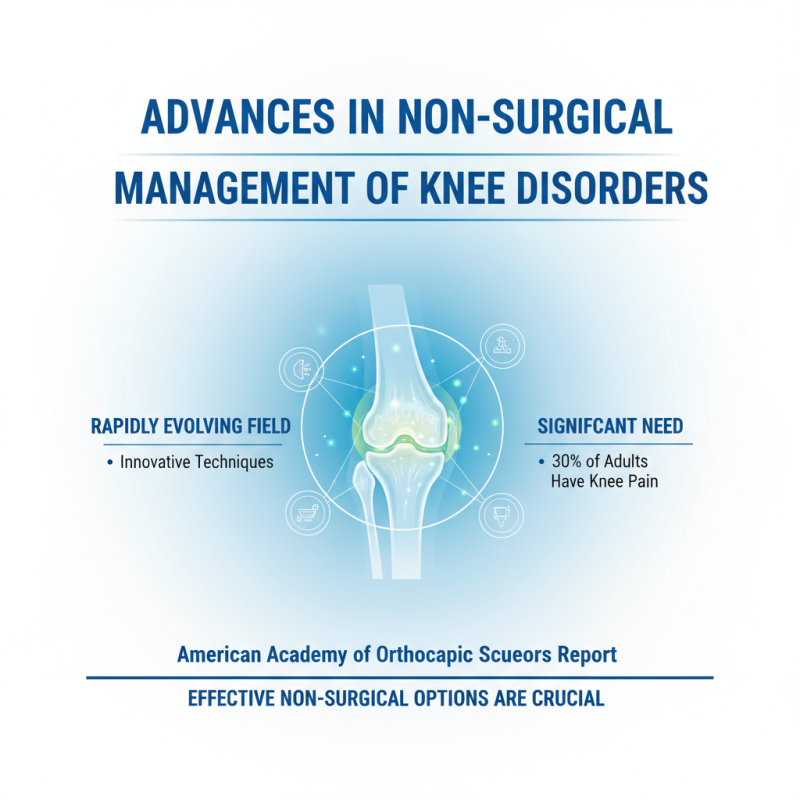
Advancements in Non-Surgical Management of Knee Disorders
Non-surgical management of knee disorders is rapidly evolving. Innovative techniques have emerged in recent years. A report from the American Academy of Orthopaedic Surgeons revealed that nearly 30% of adults experience knee pain. This statistic highlights a significant need for effective treatment options without surgery.
Physiotherapy continues to play a crucial role. Specialized exercises enhance strength and flexibility. Research shows that patients often prefer these options over surgical ones. Over 40% of individuals reported satisfaction with physical therapy outcomes. However, consistency in adherence to therapy regimens remains a challenge. Many struggle to maintain their exercise routines, affecting overall success.
Another significant advancement is the use of regenerative medicine. This includes therapies like platelet-rich plasma (PRP) and stem cell injections. Recent studies indicate that these can reduce pain significantly. But results can be inconsistent. Not all patients respond equally. Some report minimal improvement, leading to frustration. With such therapies, a comprehensive understanding of patient selection is critical. This underscores the importance of personalized treatment plans. The future of non-surgical knee management lies in tailored approaches that truly meet individual needs.
Personalized Medicine Approaches in Knee Joint Treatments
As we move towards 2026, knee joint treatments are evolving. Personalized medicine is at the forefront of these changes. This approach tailors treatments to each patient. For instance, genetic profiling can help identify the best drugs for an individual. Patients might receive customized physical therapy plans based on their unique biomechanics.
Doctor-patient collaboration is crucial in personalized medicine. Patients often feel overwhelmed by treatment options. They may not fully understand their needs. Clear communication can bridge this gap. Discussions about lifestyle, genetics, and previous injuries shape effective treatment plans.
Nonetheless, there’s room for improvement. Health professionals must stay updated on these advancements. Not all clinics are equipped for personalized strategies. Patients also need to take initiative. Proactive engagement is vital for successful outcomes. Balancing technology and human touch is essential in this journey. Personalized medicine is promising, but it requires effort from both sides.
Future Directions in Rehabilitation Practices for Knee Joint Recovery
In recent years, rehabilitation practices for knee joint recovery have evolved significantly. Innovative techniques focus on personalized approaches. Reports indicate that nearly 80% of patients benefit from tailored rehabilitation plans, integrating physical therapy and technology. Biofeedback systems now allow patients to monitor their progress in real time, increasing motivation and enhancing recovery outcomes.
Tip: Incorporate a combination of strength training and flexibility exercises. This helps improve joint stability. Studies show that engaging in these activities three times a week can significantly speed up recovery.
Emerging methods include virtual reality therapy. This technique creates engaging environments for exercises. A study noted reduced pain levels for 65% of participants using VR during their rehab sessions. While these advancements are promising, some challenges persist. Access to advanced technologies remains limited in certain regions.
Tip: Regularly assess your progress with a healthcare professional. Adjust your goals as needed. Recovery can be unpredictable, so flexibility in your approach is crucial.
2026 Top Trends in Knee Joint Treatment Solutions and Techniques
| Trend | Description | Expected Impact | Implementation Year |
|---|---|---|---|
| Regenerative Medicine | Utilization of stem cell therapy and PRP to promote healing. | Reduced recovery time and improved outcomes. | 2026 |
| Telehealth Rehabilitation | Remote physiotherapy sessions using video conferencing. | Increased access to care and patient convenience. | 2026 |
| AI in Diagnostics | Artificial intelligence used for early detection of knee conditions. | Enhanced accuracy in diagnosis and personalized treatment plans. | 2026 |
| Wearable Technology | Devices that monitor activity levels and provide feedback. | Better adherence to rehabilitation protocols. | 2026 |
| Joint Preservation Techniques | Minimally invasive procedures to delay joint replacement. | Improved long-term joint function and decreased surgery rates. | 2026 |
Related Posts
-
How to Prevent Osteoarthritis Naturally and Effectively?
-

Top 5 Best Osteoarthritis Knee Surgery Options for Effective Relief?
-

2026 Top Insights on Mild Osteoarthritis Management Trends?
-

Why Should You Consider Arthritis Knee Replacement Surgery?
-

Top 10 Symptoms of Osteo Arthrosis You Should Not Ignore?
-

Osteoarthritis Knee Surgery What You Need to Know
DISCOVER THE POTENTIAL OF INNOVATIVE PROSTHETICS
From minor to severe injuries, our team develops advanced devices designed to support recovery and promote overall wellness.